
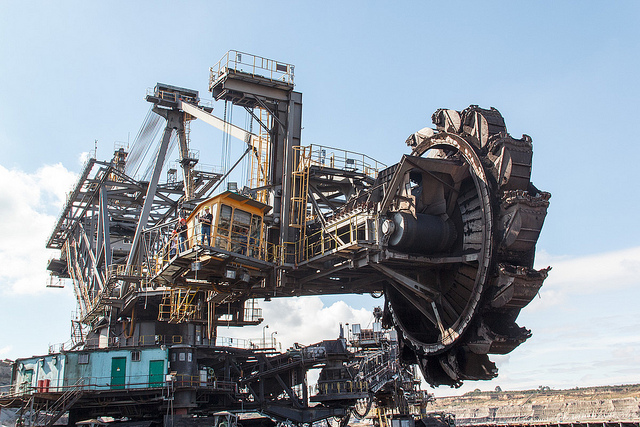
In two statements, internationally renowned climate-activists Naomi Klein and Bill McKibben have raised their voices to support the mass-action against coal-mining in the Rhineland that will take place right after our summer school.
Naomi Klein, author of "This changes everything. Capitalism vs the Climate" emphasizes the importance of the German anti-coal struggle for the global climate: "Germany's rapid energy transition has been driven by the people, a victory that now serves as a model to the rest of the world. But as long as the German political class insists on using massive machinery to tear up the earth, producing the continent's single largest source of carbon emissions, that transition will remain woefully incomplete. These coalfields pose an existential threat to humanity, which is why our movements need to step in once again and shut them down. This August, there is no more important place to be."
Bill McKibben, co-founder of the climate-campaigning organization 350.org writes: "I'm so glad to see people drawing a firm line in the coalfields, and stopping the planet's largest coal-digging machines. We're driven not by ideology but by physics: there's simply no way to burn all this lignite and keep the climate intact. These protesters are lifeguards for an endangered planet."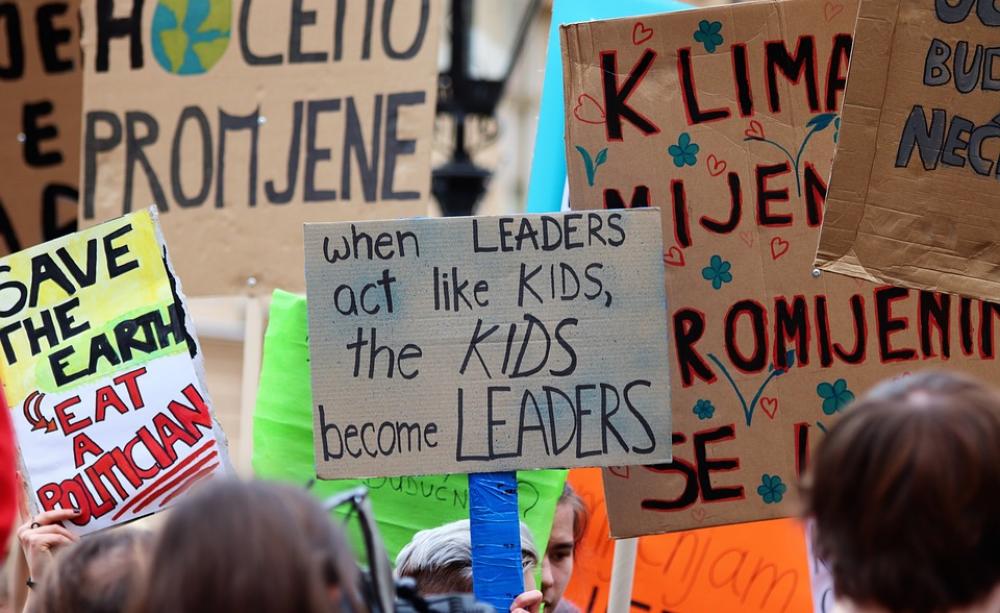
School climate strikers in Edinburgh demanded unity and action. My decision to attend and support the Edinburgh School Strike, like my arrival, was late. As I left Waverley Station I listened intently for the sound of protest but the city gave up only its regular sounds; the beat and grind of petrol and diesel engines busy pumping out their invisible death, the whoosh of air b...
The debates around post-growth transitions to just socio-ecological futures - while undoubtedly variegated - all emphasize that such a transition will involve a fundamental change in the way we organize economic relations and processes. At a first glance, this implies both a nominal and a structural, change with corresponding shifts in production, labor and consumption patterns. Whereas nominal...
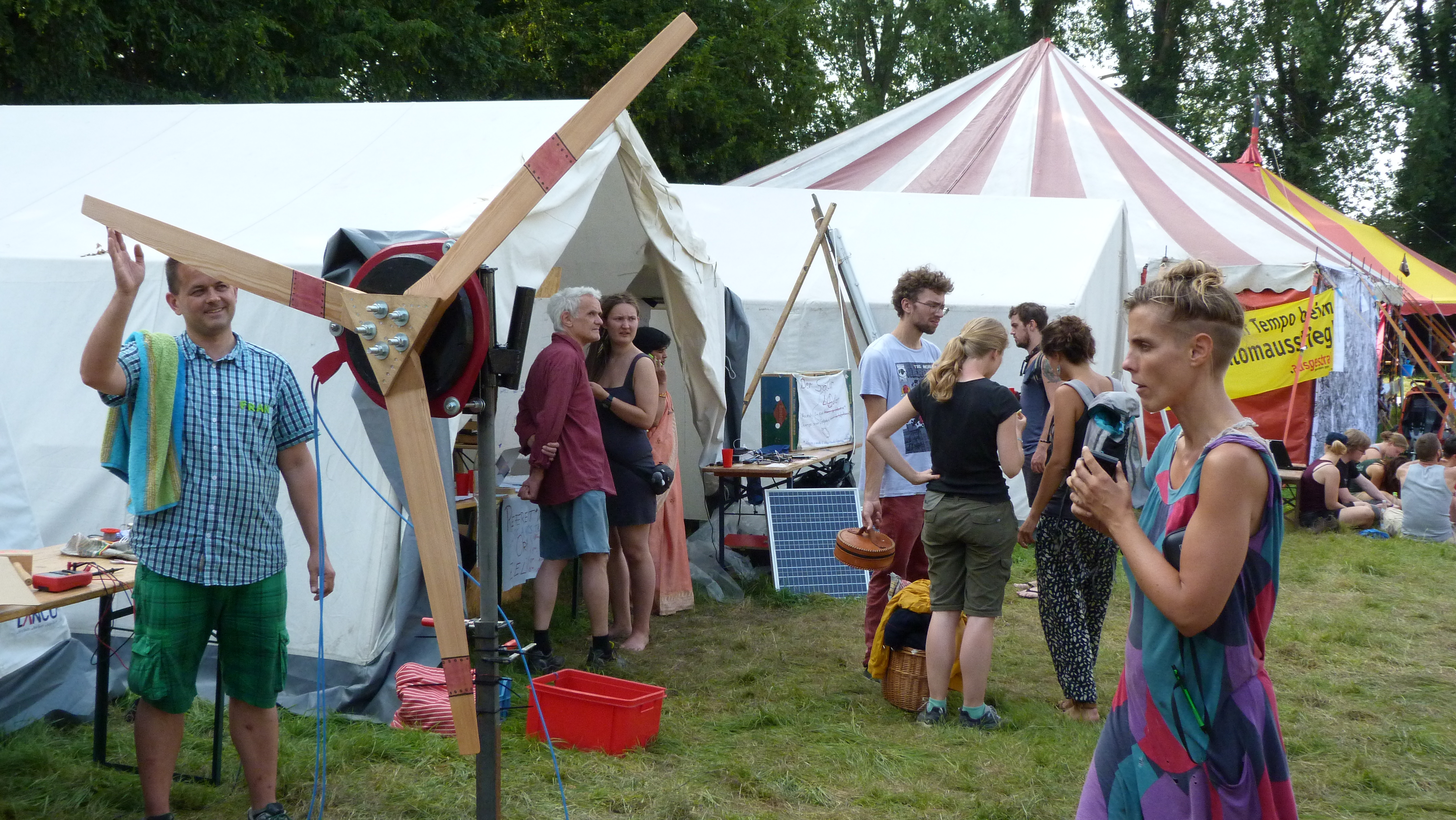
By Christiane Kliemann After six days of workshops, discussions, practical activities and fun the summer school on degrowth and climate justice at the climate camp Rhineland has come to and end. With the slogan "Degrowth in Action", the summer school did not only break down the rather theoretical ideas of degrowth into concrete actions such as those against lignite mining in the region. It als...