
We would like to remind you that the deadline for the submission of scientific papers and civil society contributions for the Fourth International Degrowth-Conference is 28th of February 2014. The conference will be held in Leipzig from the 2nd to 6th of September 2014 with the strategic goal to bring forward the degrowth movement.
In order to achieve this, the conference facilitates the exchange between scientists, civil society, pioneer projects of a social and ecological economy and artists. The main theme of the conference is „building bridges“, not only between the above-mentioned protagonists, but also between the degrowth-debate and similar discourses, as well as the Global South and the Global North. The conference aims at giving an impulse for a common degrowth vision by bringing together people with different backgrounds.
The call for scientific papers including the electronic submission tool is available here.
The call for activist and practical contributions is available here.
In addition, there is the possibility to submit stirring papers. This type of papers can be submitted by scientists, practitioners and artists and will, if accepted, serve as introductory papers for expert working groups of a so-called Group Assembly Process. The length of such stirring papers should be between 1000 and 1500 words. More information on the Group Assembly process and the call for stirring papers can be accessed here.
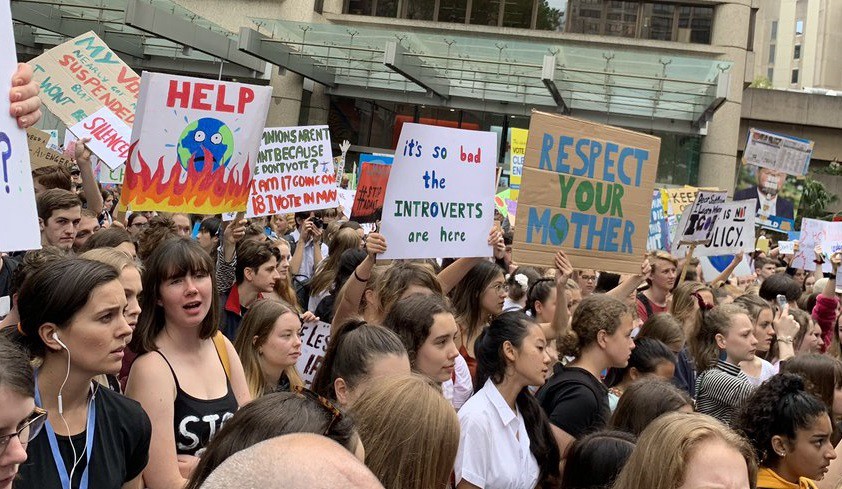
Dear Life, I was not aware, when I was born, that I was born onto a battlefield. I was not aware, as I learned to walk, that I was stomping over the habitats of many creatures. I was not aware, as my mother drove me to school, that we were riding roughshod over the unmarked graves of our fellow humans. I was not aware, as we flew around the world, that I was attacking my child’s chances. I was...

When hitch-hiking, a certain irony is common: Time and time again, the authors' of this post have been picked up by drivers who immediately instruct them that hitch-hiking used to work, but now is impossible. That these conversations were taking place at all would appear to contradict this supposed fact. This is not to say that it is always easy. Roads bar access to their sides for pedestrians ...
What does degrowth mean to you? By Marc Menningmann In this video, some of the scientists, activists and ordinary other participants who gathered at last year's Degrowth Conference in Leipzig share their personal understanding of degrowth. It shows how many different facets degrowth can have. Now we have added English subtitles to it which can be activated by clicking on the little green b...