
Von Fabian Scheidler und Andrea Vetter
„Entschulung ist die Grundvoraussetzung jeder Bewegung für die Befreiung des Menschen“, schrieb der heute fast vergessene, einst weltberühmte Querdenker Ivan Illich 1971. Illich wurde in den 1970er Jahren mit Büchern wie Entschulung der Gesellschaft und Die so genannte Energiekrise zu einem der Vordenker sowohl der Freilerner- als auch der Postwachstums-Bewegung. Aber welche Verbindungen gibt es zwischen der Kritik an der Wachstumsgesellschaft und der Kritik am schulischen Lernen? Und wie könnte eine Welt jenseits entfremdeten Lernens und jenseits aller Wachstumszwänge aussehen?
Weiter auf dem Blog Postwachstum Zum kompletten Artikel auf Englisch geht es hier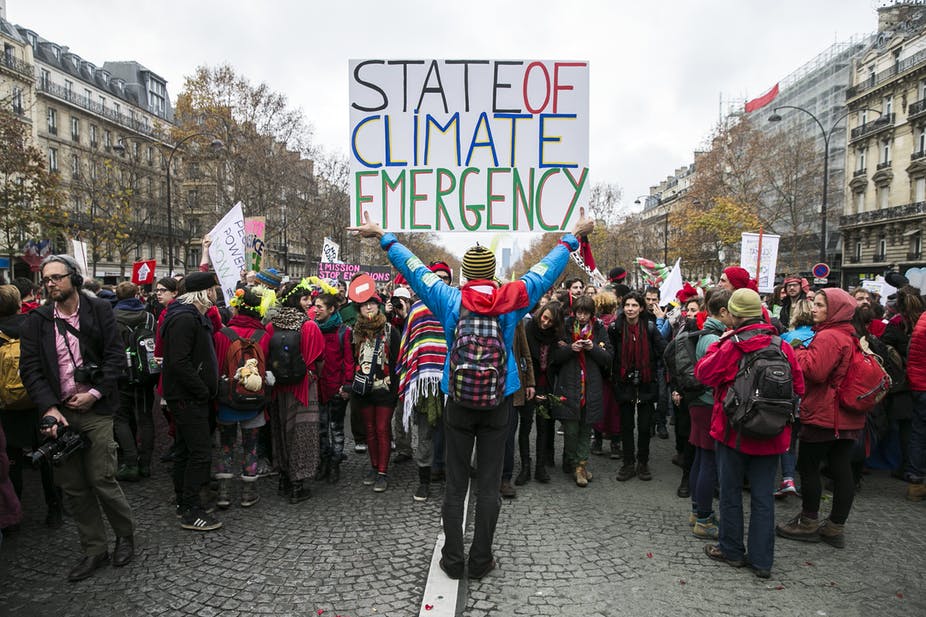
At the COP24 conference in Poland, countries are aiming to finalise the implementation plan for the 2015 Paris Agreement. The task has extra gravity in the wake of the recent IPCC report declaring that we have just 12 years to take the action needed to limit global warming to that infamous 1.5ᵒC target. Although the conference itself is open to selected state representatives only, many see t...
Um dem demokratischen und integrativen Anspruch der Degrowth-Konferenz gerecht werden zu können, haben wir eine spannende Crowdfunding-Kampagne gestartet. Sie läuft nun 55 Tage und endet kurz vor der Konferenz. Unser Ziel ist es, dass möglichst viele Menschen an der Konferenz teilnehmen können und somit zu einem Wandel für eine Gesellschaft jenseits von Wachstumszwängen beitragen. Dafür ist [...]
Wir möchten Sie daran erinnern, dass nur noch wenige Tage verbleiben bis zum Einsendeschluss für wissenschaftliche und zivilgesellschaftliche Einreichungen am 28 Februar 2014. Die Konferenz selbst wird vom 02. bis zum 06. September in Leipzig stattfinden mit dem strategischen Ziel, die Degrowth-Bewegung weiterzuentwickeln. Dafür soll der Austausch zwischen Wissenschaftler_innen und Akteur_inne...