
The next International Degrowth Conference for Ecological Sustainability and Social Equity will start on the 30th of August 2016 in Budapest. To take actively part in the conference one can now follow the call for special sessions or one of the the other calls yet to come.
There are two special session formats one for “academic special sessions” and one for “degrowth-in-action special sessions”. Other calls will be one for academic papers and calls for other activities which will be happening during the conference and the degrowth week.
> The call
Thirty four years ago I published Abandon Affluence and Growth, with negligible effect, so it has been hugely satisfying to see the recent emergence of a degrowth movement. However, I believe some aspects of the movement need greater attention. Degrowth transition strategies especially should deal more effectively with the sheer magnitude of the problem we are facing. The magnitude of the prob...

After almost a year of tireless work we are proud to present our degrowth library. Here you can find various materials related to the transition to an economy independent from economic growth. The library already contains almost 700 entries, from introductory videos to newspaper articles and scientific publications in different languages. Diverse search options and an extensive list of themes m...
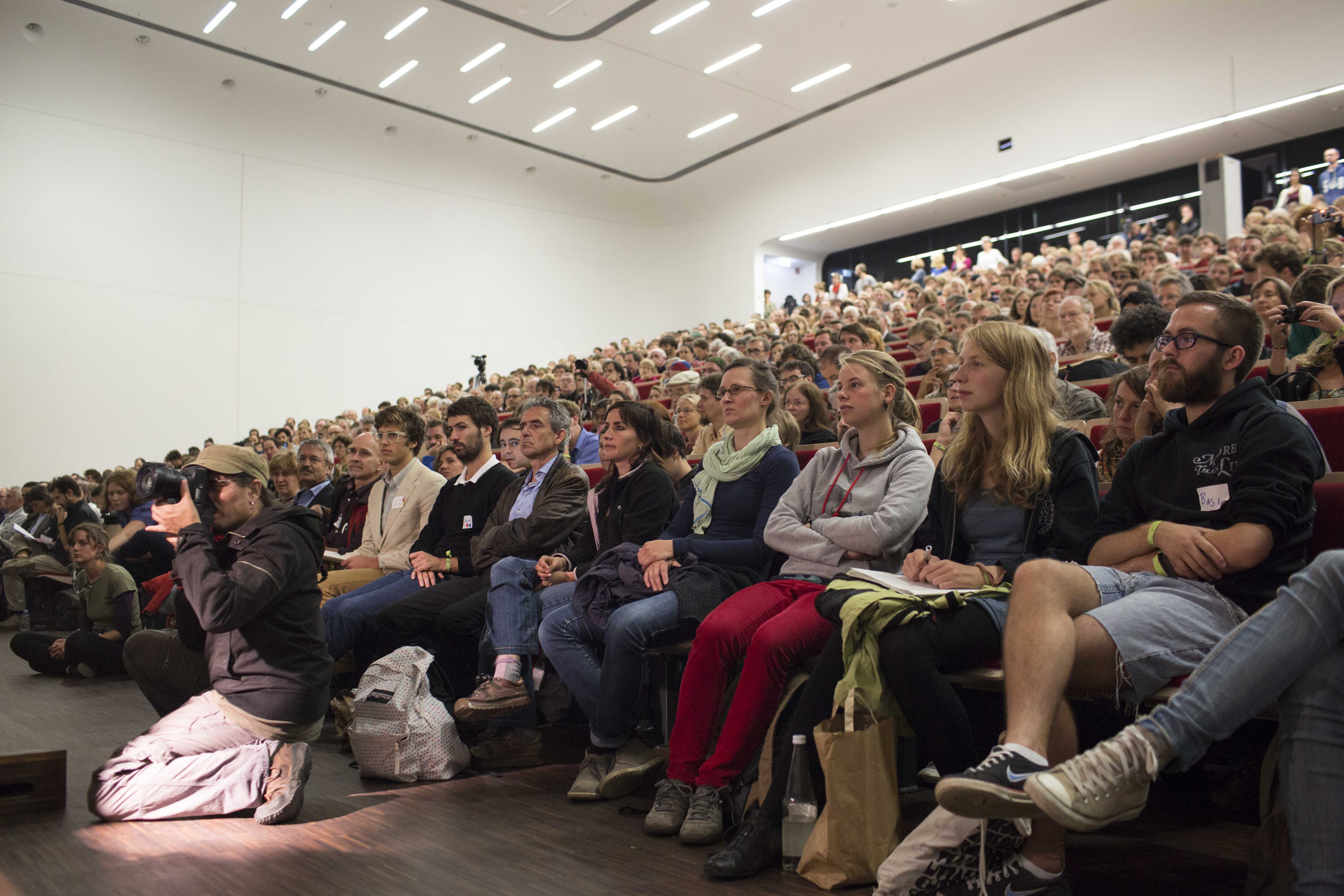
By Christiane Kliemann "Facing the current crises: critique and resistance": The motto of the second day´s conference programme takes into account that degrowth is mainly a concept from the global North which naturally has a different perspective on the mulitfaceted global crisis than social or ecological movements from other parts of the World. While degrowth can be described as "a downscali...