
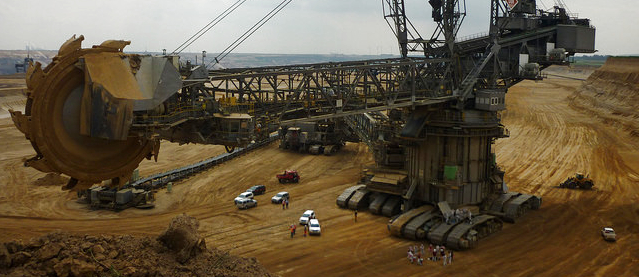
The call for courses for our Degrowth in Action - Climate Justice Summer School 2015 has now been extended to 7 May. The summer school will take place from 9 to 14 August 2015 in the lignite-mining region of the Rhineland in cooperation with the annual climate camp. The core of the summer school programme is made up of courses that take place continuously over 4 days. In addition, there is the possibility to offer two day long courses. Each day for 2,5 hours, the same group of people (about 20 - 30 people) focuses on specific topics in the field of alternative economic models or climate justice, or works on tangible approaches for putting degrowth into political practice. If you're interested in preparing a course, you can find all relevant details here. the updated PDF-version is available here
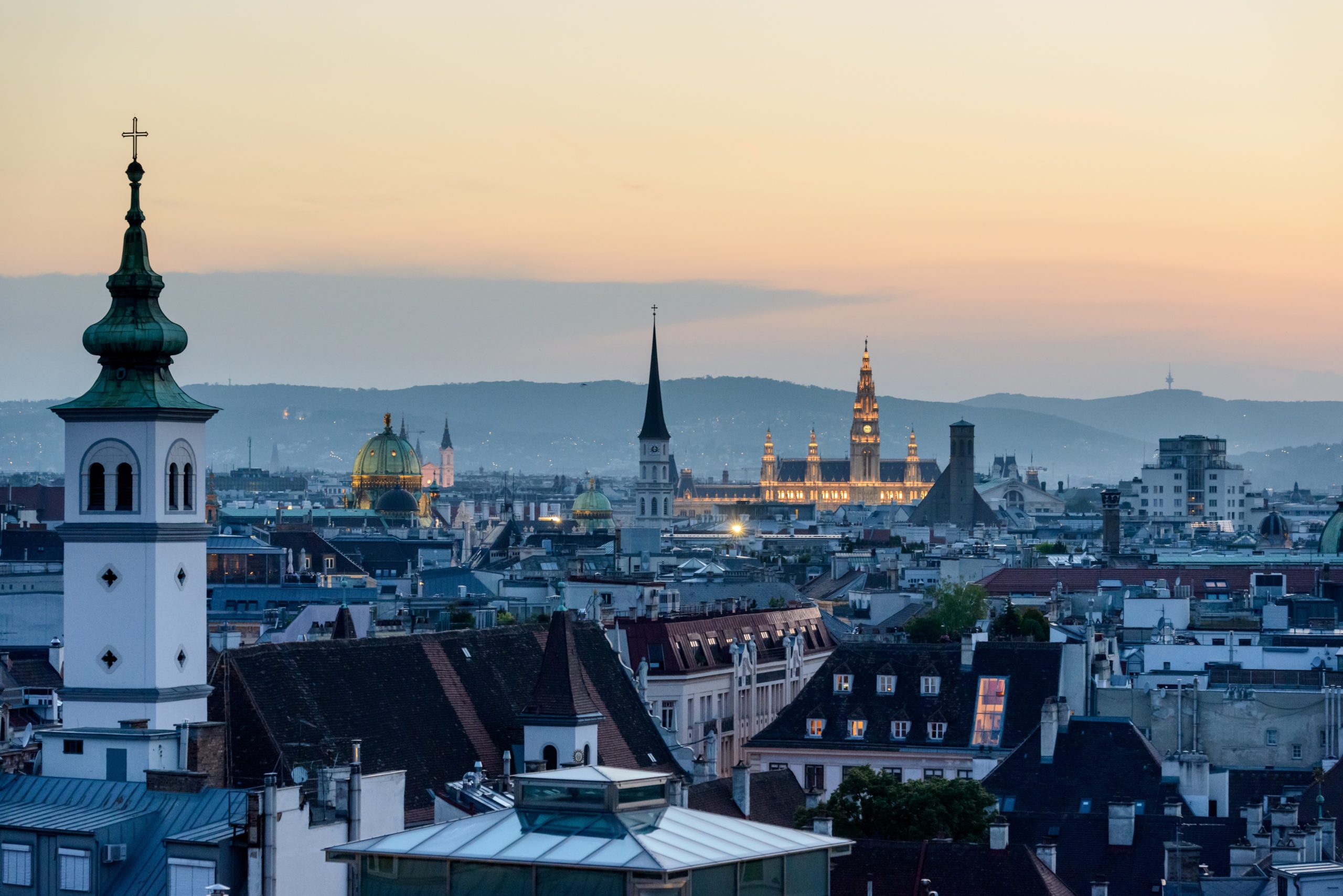
No one really told us what organizing a degrowth conference would entail. We simply knew we wanted to do it. Two years of organizing, meeting, discussing and struggling have passed and now we’re less than seven weeks away from the first day of the conference. The initial motivation we all had in the summer of 2018 has not gone, but it has faltered at times. There have been days when I wo...
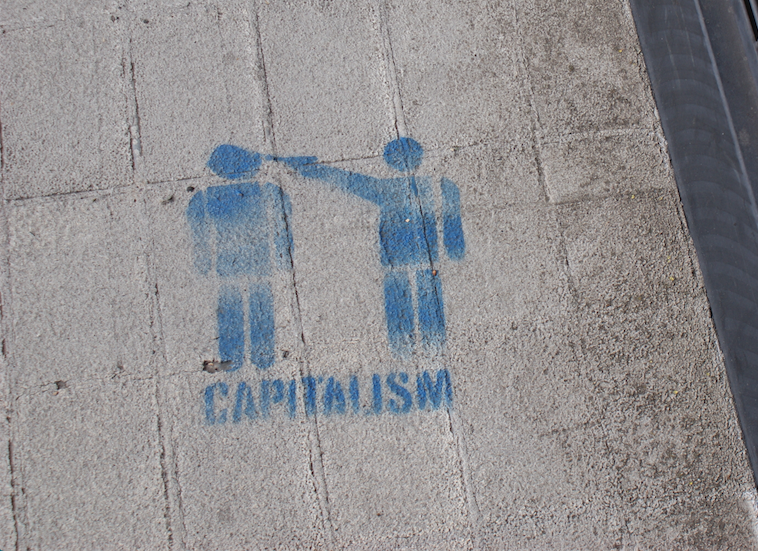
When the BBC asked me if I would participate in a debate panel on climate change, capitalism and democracy, I first panicked and then said yes. All I really wanted to do this week was finish up and (re)submit some research I started a long time ago. This research shows that, despite their massive growth, energy and carbon emissions cannot (statistically) explain improvements in international li...
Rob Hopkins is the founder of the Transition Movement. We interviewed him for the Stream towards Degrowth during the launch of his new Book “The Power of just doing Stuff - How local Action can change the World” in Bielefeld. Watch the video to hear more about the connections and differences between the Degrowth and the Transition Movement.