
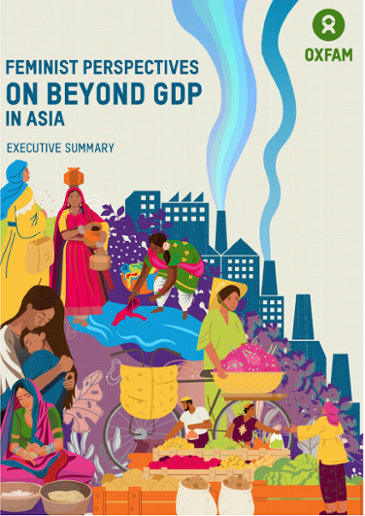
When? March 11th 2026, 15h-16h30 (UTC+7, Bangkok time)
Where? Online
Join us for the virtual launch of the paper Feminist Perspectives on Beyond GDP in Asia, a timely conversation that challenges growth-centric development models and reimagines wellbeing through feminist, ecological, and decolonial lenses.
This webinar will bring together feminist scholars, and civil society leaders to explore how alternative economic frameworks can confront inequality, advance justice, and reshape national wellbeing metrics across Asia. This event offers a vital space to rethink what progress truly means for people and planet in Asia.
Chair
Tripti Rai: Country Director, Oxfam in Nepal
Presenters
Mariam Moussa: Senior Consultant Shared Planet
Panellists
Dr. Naila Kabeer: Emeritus Professor of Gender and Development, London School of Economics; Member, High Level Expert Group on Beyond GDP
Dr. Ritu Verma: Associate Professor, College of Language and Culture Studies; Adjunct Research Professor
April Porteria: Programme Feminist Development Justice Officer, Asia Pacific Forum on Women, Law and Development
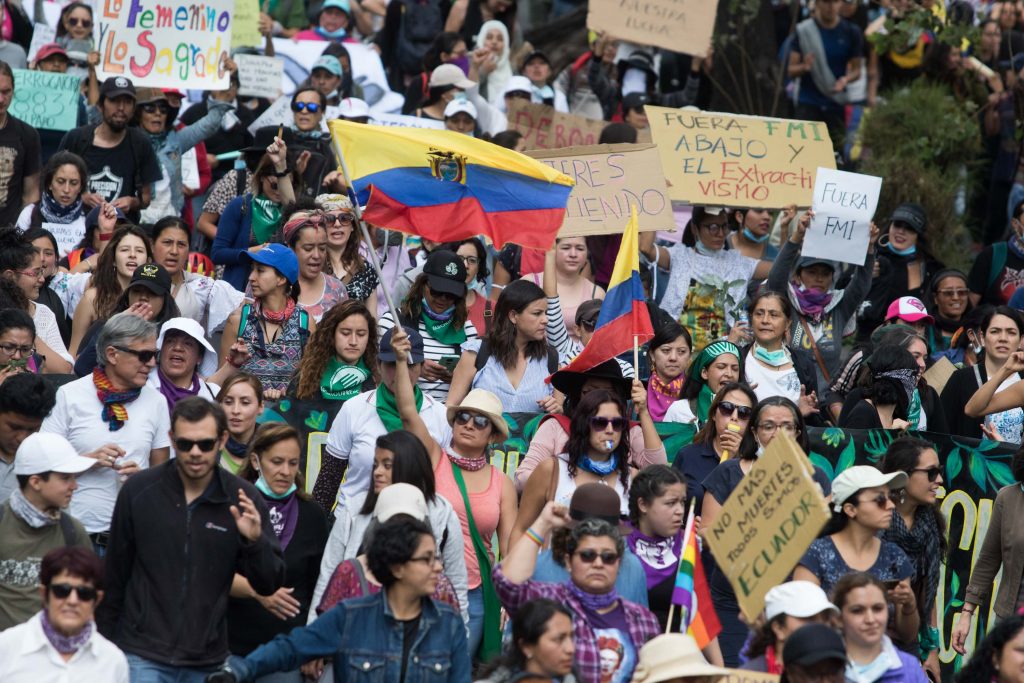
On October 1st, Ecuadorian President Lenin Moreno announced a series of economic measures for the country, including the elimination of gasoline and diesel subsidies and the liberalization of their prices, as part of an agreement with the International Monetary Fund (IMF). These measures led to the eruption of massive nationwide protests for eleven consecutive days, which were met by the govern...
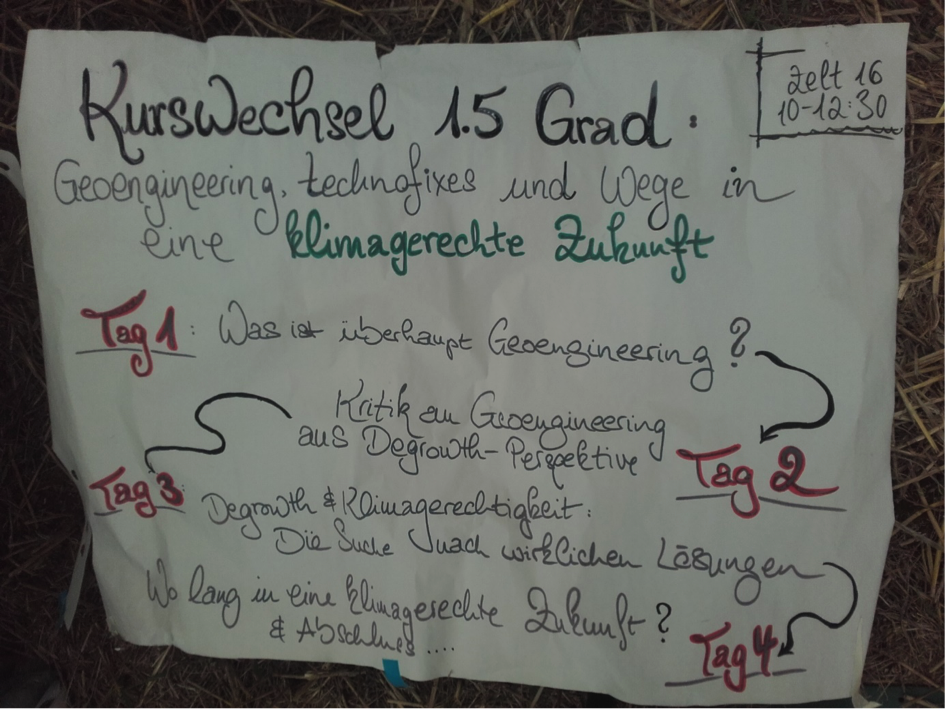
Linda Schneider reflects on Geoengineering Monitor about a workshop on geoengineering from a degrowth and climate justice perspective at Degrowth Summer School in Rhineland, Germany: http://www.geoengineeringmonitor.org/2017/09/workshop-geoengineering-from-a-degrowth-and-climate-justice-perspective/ Geoengineering Monitor aims to be a timely source for information and critical perspect...
Every day we are bombarded with frightening news. But how do we personally feel about them and how can we deal with them as society as a whole? Which future do I actually want for myself, for the world and for my children? And how are my personal feelings and motivations connected to the larger picture? What frightens me, what makes me angry and how can I transform these feelings into a source ...