

Degrowth hat sich in den vergangenen Jahren als attraktiv für Menschen erwiesen, die dem bestehenden Wirtschaftssystem gegenüber ein Unwohlsein erfahren, wenn auch meist kaum materielles Leiden. Die wachstumskritische Diskussion kann einen Einstieg in grundsätzlichere Kapitalismuskritik bieten. Bei Degrowth-Konferenzen und in zahllosen kleineren Veranstaltungen werden jedoch die ständig gleiche...
Blog • 27.04.2020

By: Tone Smith
The aviation industry has avoided regulation, taxation and climate responsibility for years. Now they ask for public bail-outs. Here's why they shouldn't get it and how you can contribute. The problem of aviation Aviation is one of the fastest growing sources of greenhouse gas emissions. The sector is already responsible for 5-8% of global climate impact, but is still planning for a doubl...
Blog • 23.01.2020
By: Gerrit Stegehuis
Last summer, Matthias Schmelzer and Andrea Vetter, both from the Konzeptwerk Neue Ökonomie in Leipzig, published the book ‘Degrowth/Postwachstum’. With this book, they provide the first introduction to degrowth in German. For lack of a good German translation of ‘degrowth’ they use ‘Postwachstum’ more or less as a synonym. First they describe how our societies came to depend on growth, and they...
Blog • 21.03.2019
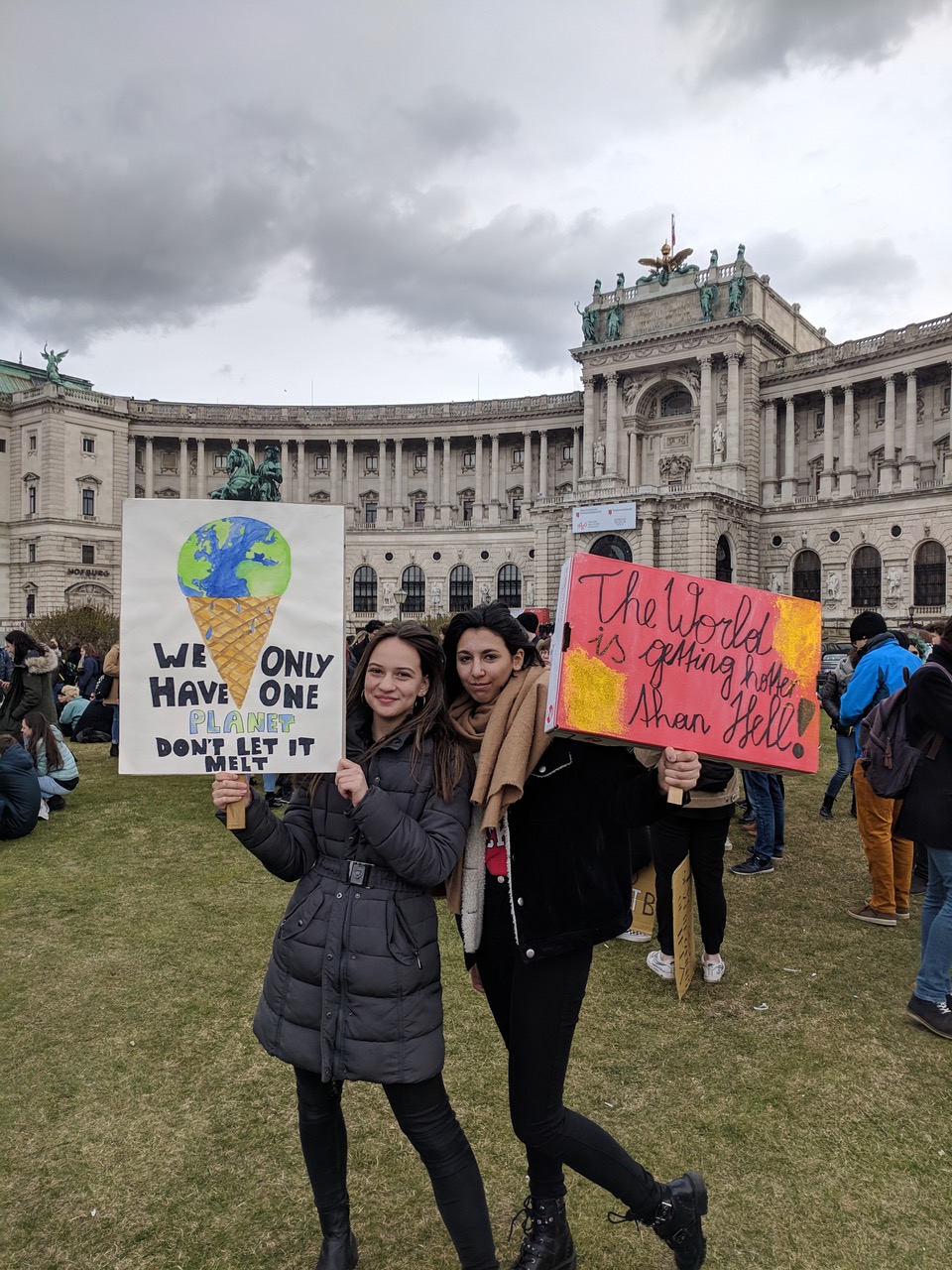
By: Nathan Barlow, Colleen Schneider, Nikolai Weber, und Frederik Amann
Am 15. März 2019 fand in über 100 Ländern der Erde ein von "Fridays for Future" organisiert Klima-Streik statt, bei dem über eine Millionen Schüler_innen auf die Straßen gingen. Wir haben drei Personen aus Wien, die verschiedenen Strömungen der Klimagerechtigkeitsbewegung angehören, gefragt, was sie zu dem Streik sagen. 1) Organisation und Planung des Weltklimastreiks von Colleen Schneider...
Blog • 16.02.2019
By: Andrew Fanning
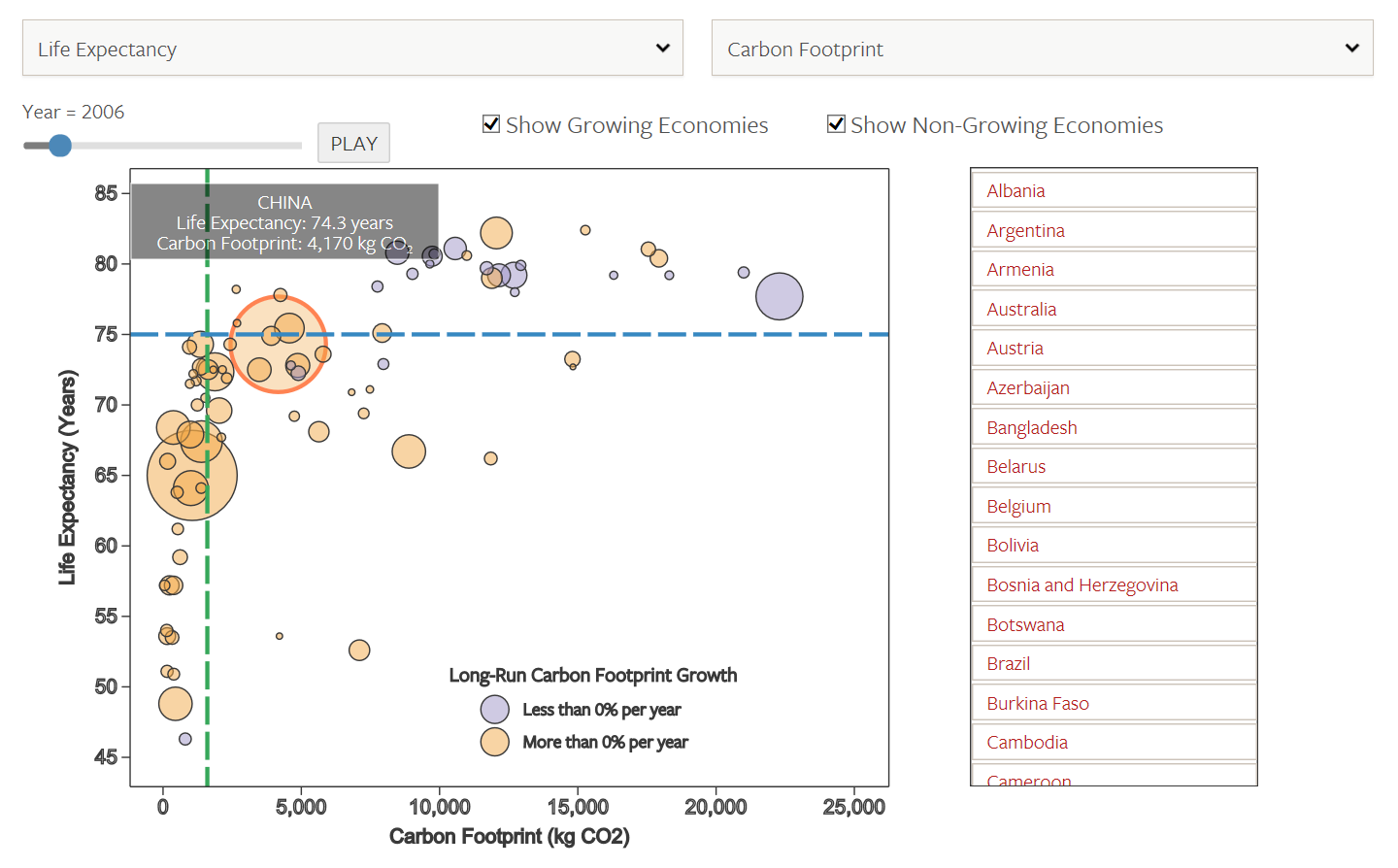
Ten years ago G20 leaders committed a staggering $5 trillion of public funds to rescue the banks and restore growth during the largest economic contraction in modern times. The economies of an unprecedented number of countries — and their associated environmental footprints — experienced very low growth over the decade that followed. In a recent study published in the Journal of Cleaner Prod...
Blog • 30.01.2019

By: Jocelyne Sze, Omar Saif
This article is part of a series on degrowth.info discussing strategy in the degrowth movement. The introduction to the series and an ongoing list of contributions can be found here. In the article “Beyond visions and projects…”, by Herbert, Barlow, Frey, Ambach, and Cigna, the authors persuasively set out the case for a more explicit debate on strategy in the degrowth movement. Highlighting...
Blog • 29.12.2018
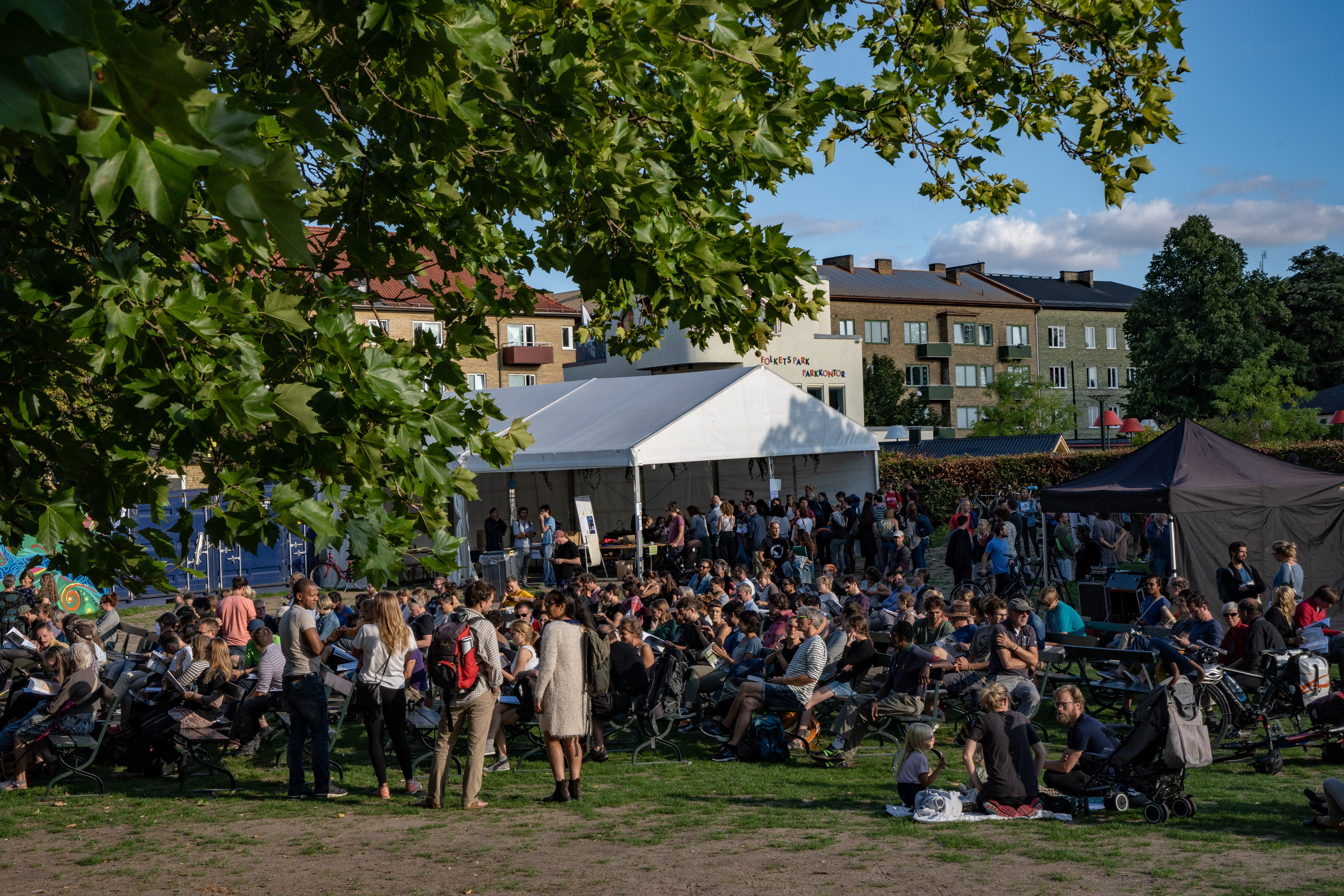
The 6th International Degrowth Conference finished on Saturday, the 25th of August with a demonstration under the rain in the center of Malmö. Typical weather for the end of August in Sweden, and very welcomed after the past worryingly dry months. The subtitle 'Dialogues in Turbulent Times' would summarize the week quite well. The strangely hot summer experienced by all of us was frequently ...
Blog • 22.12.2018
By: Kai Kuhnhenn
We all use models in daily life to explain our environment. An example: I assume that a tree will grow provided it has sufficient water, nutrients and sun. I am using a simple model here, without understanding the nitty-gritty – what exactly happens in the roots, stem, leaves and cells. Thinking in models is not only useful to understand our world, but also to solve problems. Let’s assume the ...
Blog • 14.12.2018
By: Nina Treu, Nicolas Guenot, Nick von Andrian
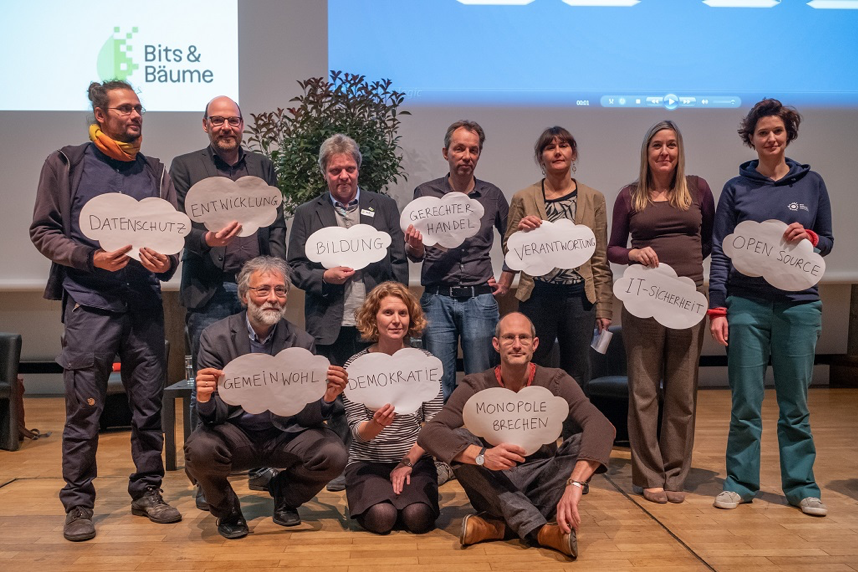
What could an alliance of techies and greens bring for a social, democratic and ecological future? The conference "Bits and Trees" ("Bits & Bäume" in German), which took place in Berlin on November 17th and 18th of this year, tried to shed light on this question. It brought together around 1.700 people interested and organized around digitalization and sustainability. Merely the name of ...
Blog • 04.12.2018
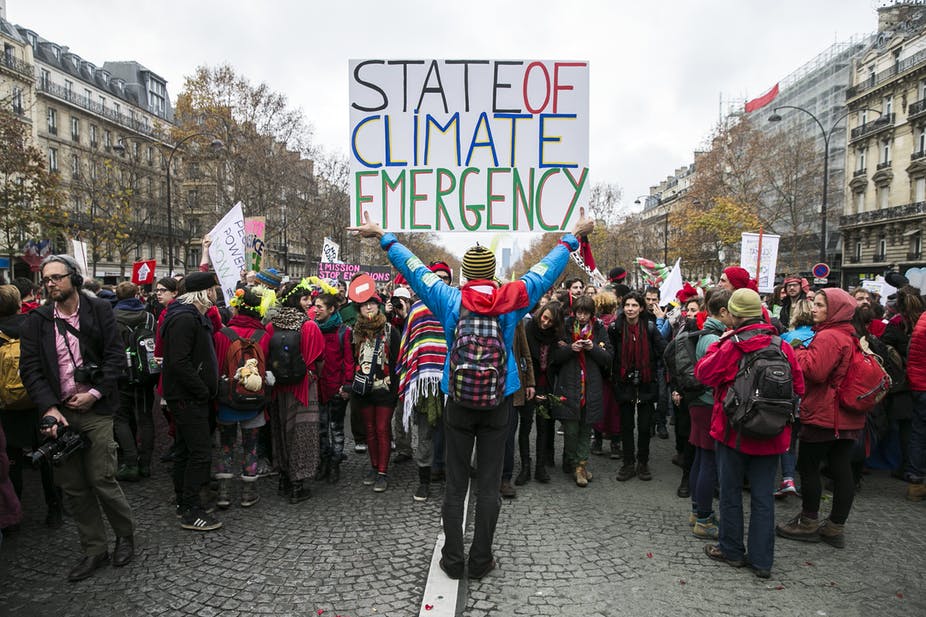
At the COP24 conference in Poland, countries are aiming to finalise the implementation plan for the 2015 Paris Agreement. The task has extra gravity in the wake of the recent IPCC report declaring that we have just 12 years to take the action needed to limit global warming to that infamous 1.5ᵒC target. Although the conference itself is open to selected state representatives only, many see t...
Blog • 23.11.2018

By: Constanza Hepp
We live nextdoor to my partner’s grandmother, Maria, who was born during the Second World War in Northern Italy. This means that she knows what hard times look like. Maria could not believe we would be using washable diapers for our baby boy. With genuine surprise she asked me, “why?”, and then she was curious in which pot we were planning to boil the diapers. In her eyes, we could not possibly...
Blog • 10.11.2018

By: Riccardo Mastini
Economic growth can’t reduce inequalities; it merely postpones confronting exploitation. The emergence of interest in degrowth can be traced back to the 1st International Degrowth Conference organized in Paris in 2008. At this conference, degrowth was defined as a “voluntary transition towards a just, participatory, and ecologically sustainable society,” so challenging the dogma of economic gr...
Blog • 31.08.2018
By: The degrowth.info editorial team
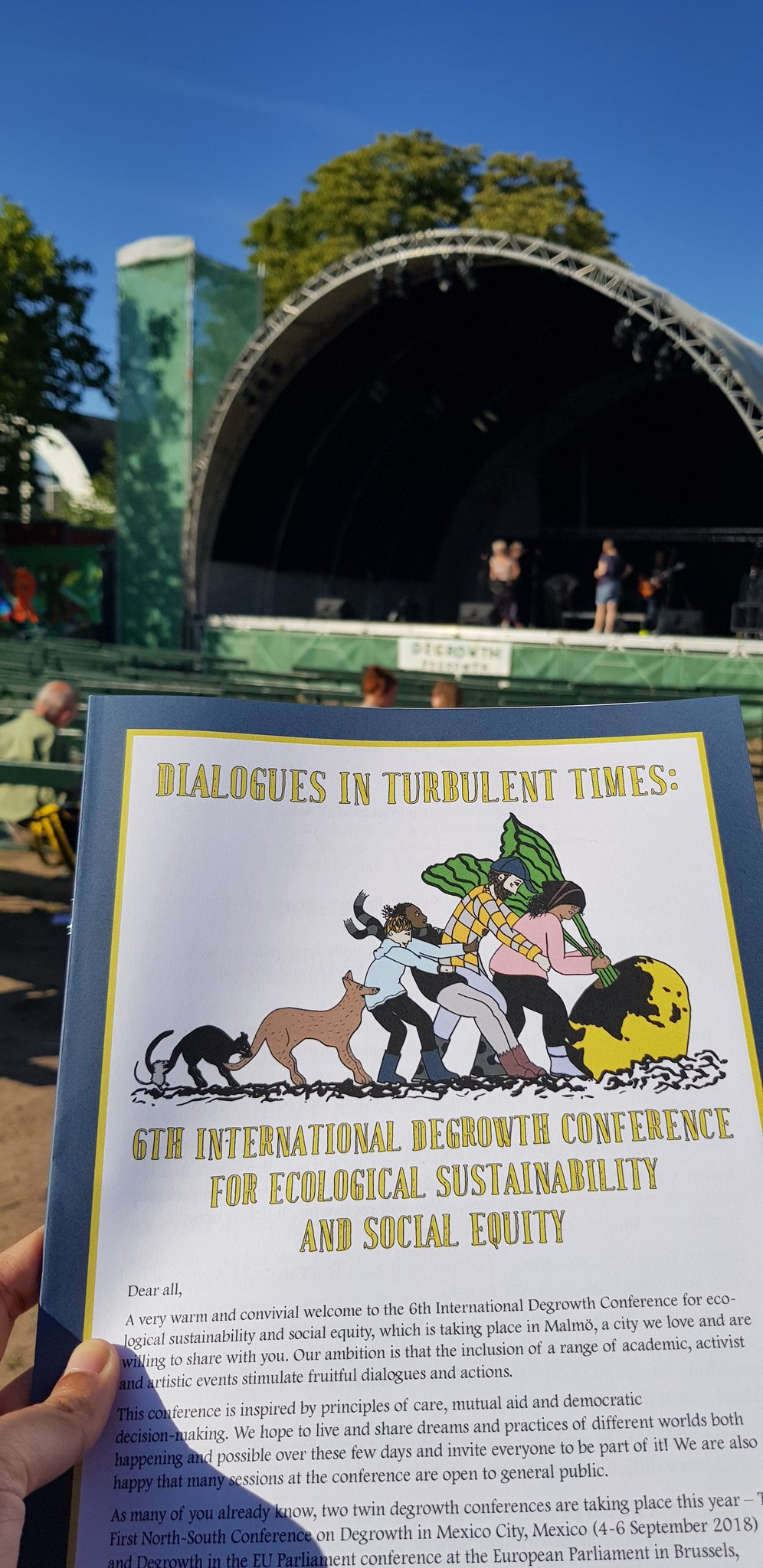
Last week, from the 21st until the 25th of August 2018, the 6th International Degrowth Conference for Ecological Sustainability and Social Equity took place in Malmö, Sweden. It was organized by an international group and the newly formed Institutet för nerväxtstudier (Institute for degrowth studies). Around 800 people discussed about "Dialogues in turbulent times". This article will give you a...
Blog • 30.10.2018

By: Kai Kuhnhenn
Am 8. Oktober veröffentlichte der IPCC seinen Sonderbericht über 1,5°C Erwärmung. Aus diesem aktuellen Anlass reposten wir Kai Kuhnhenns kritischen Blogbeitrag zu Klimaschutzszenarien der auf einer längeren Analyse fußt. Im Auftrag der Heinrich-Böll-Stiftung hat Kai seine Kritik auch nochmal auf die Szenarien des IPCC zugespitzt, die entsprechende Kurzstudie findet sich hier. Wir alle benutz...