
On June 6th we will once more celebrate the Global Degrowth Day (GDD). On this day, like last year, we want to show that there are alternatives to the capitalist growth society and that a good life for all is possible! This time of multiple crisis can be overwhelming, but it is also a crucial moment to re-think how we live and how societies are organized. Degrowth is a powerful tool to examine the origins of the several crises we face. It is time to demand and build new roots for a new future, built around values of solidarity, justice, care, wellbeing and sufficiency. Despite coronavirus, there are Global Degrowth Day events planned around the world. See a full list here. Many of these Global Degrowth Day events will be livestreamed, but some will be live, face-to-face, with the appropriate measures for social distancing.
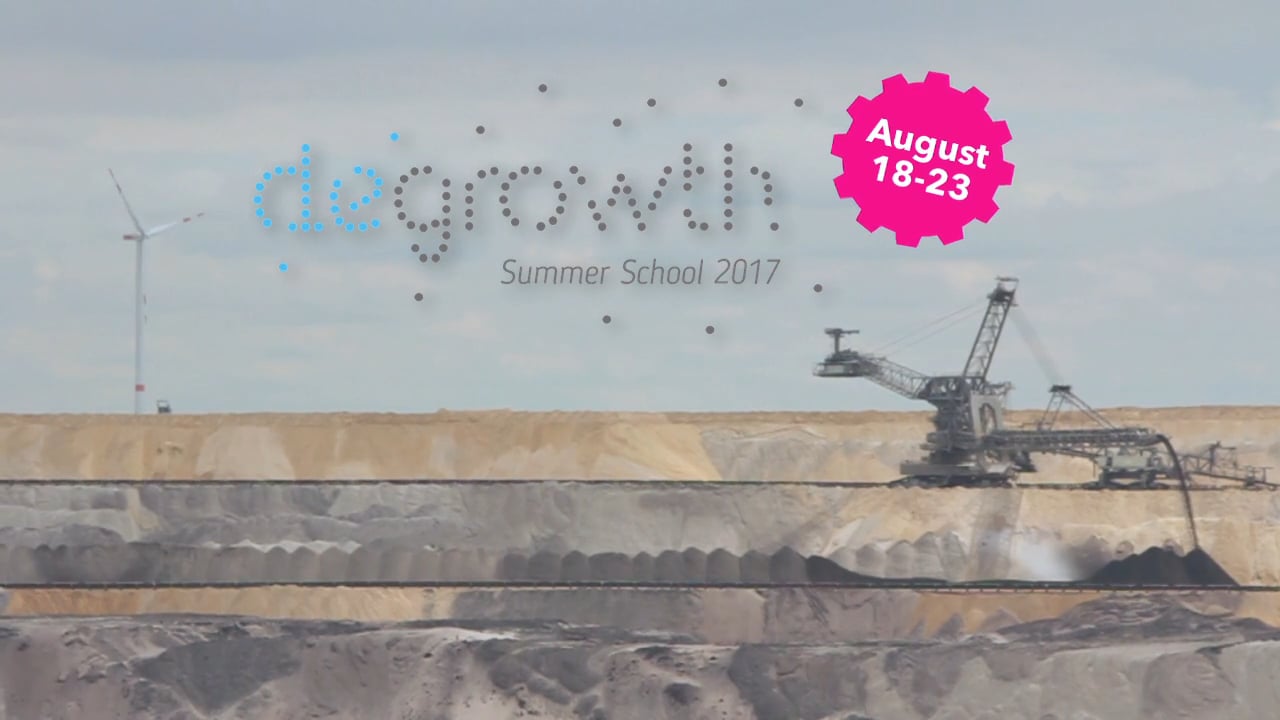
For the third year in a row, the Degrowth Summer School is being held on the Climate Camp in the Rhineland. It runs from the 18th to 23rd of August. Just 10 days before the start of the Summer School the foundation „Stiftung Umwelt und Entwicklung Nordrhein-Westfalen“ has cancelled our funding. The reason they‘ve given us: The Summer School takes place too close to actions of civil disobedience...
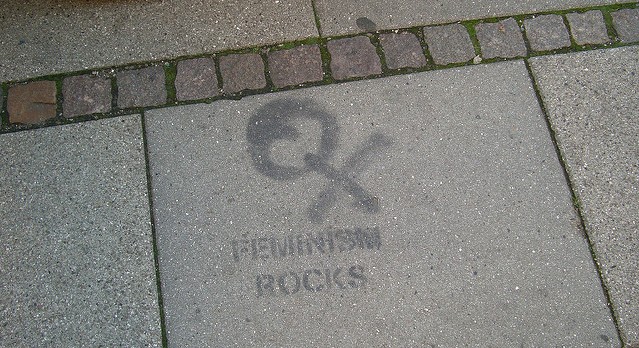
We are happy to announce a follow up to our roundtable about feminism(s) and degrowth at the Degrowth Conference in Budapest 2016. Sharing many common points, feminisms and degrowth have the potential to build an alliance which promotes mutual enrichment. One intersection is the criticism of the dominant socio-economic mode. By criticising the centrality of productive performance and by furt...
What does degrowth mean to you? By Marc Menningmann In this video, some of the scientists, activists and ordinary other participants who gathered at last year's Degrowth Conference in Leipzig share their personal understanding of degrowth. It shows how many different facets degrowth can have. Now we have added English subtitles to it which can be activated by clicking on the little green b...