
Newkind is a festival-style social change conference that creates a space for people to come together to celebrate our humanity and inspire positive social action. Enjoy 4 days of discussion panels, workshops, arts, and entertainment with meals included while camping under the stars.
Newkind 2024 Saturday 2nd - Tuesday 5th of November on Dja Dja Wurrung Country in Redbank, Victoria.
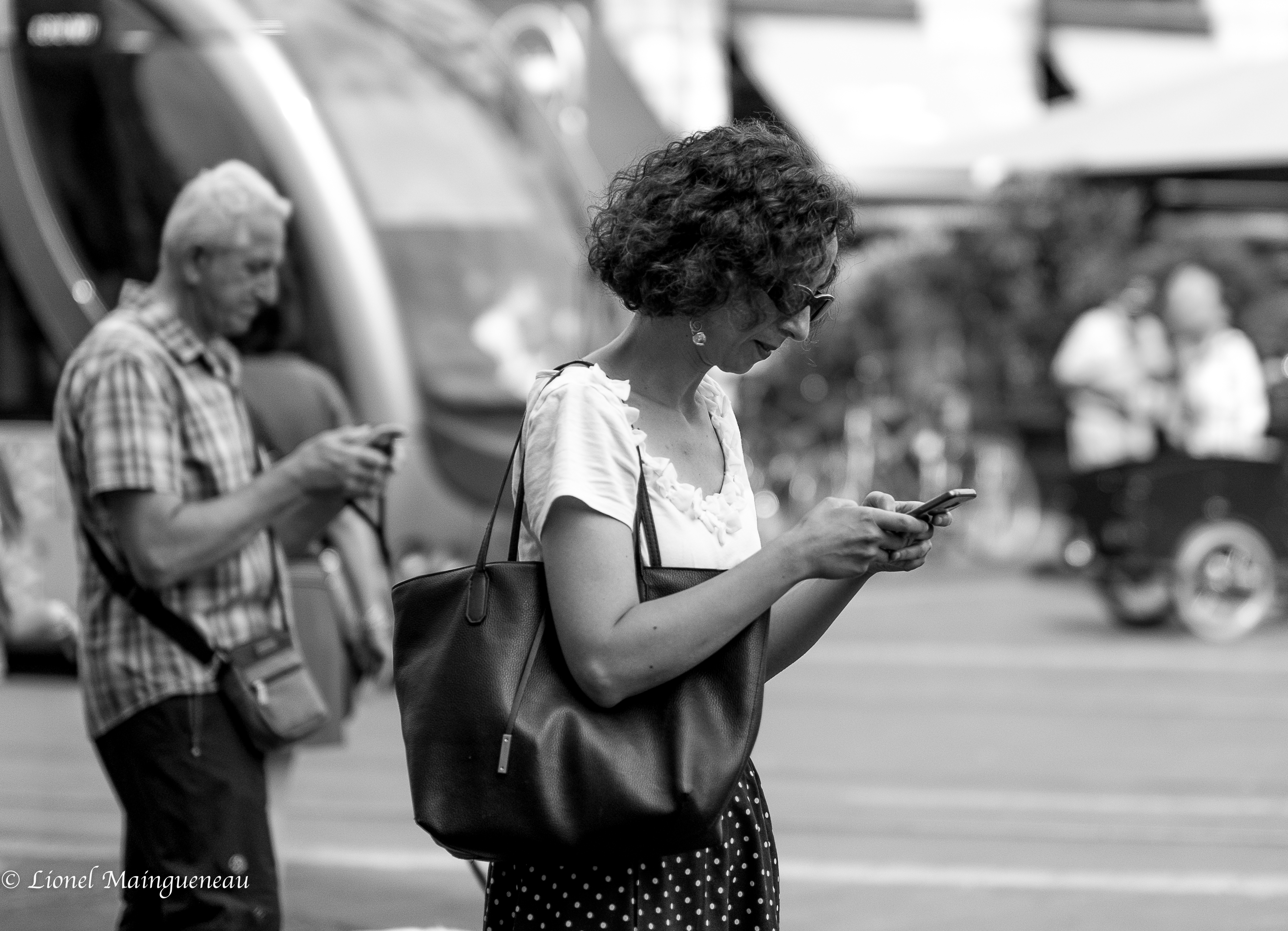
Digitalization is changing the world. And it's true: The vehicles of digitalization have spread through society at a rapid pace. Smartphones only entered the market a good ten years ago! Moreover, everywhere else in society - in companies, administrations, in agriculture, in transport and even in art and music - sensors, processors and many other digital devices are introduced. Yes, it is fair ...
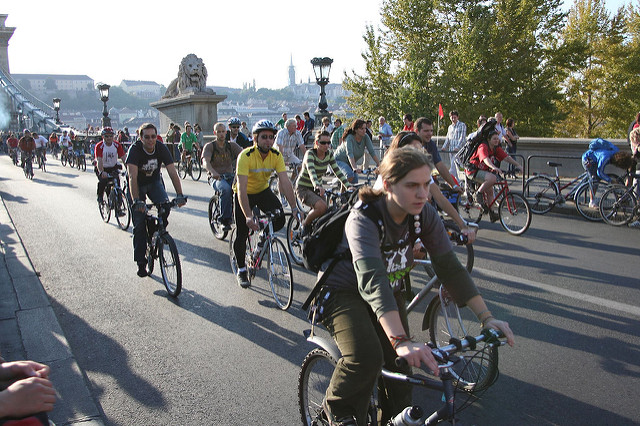
The wider degrowth-community is asked to participate in a short survey on sustainable mobility which should not take more than 10-15 minutes: The results will be used as a part of Justin Hyatt´s academic work at the Institute for Housing and Urban Development Studies (IHS), Erasmus University, Rotterdam (Netherlands). It is also intended to publish and widely disseminate a separate report. ...
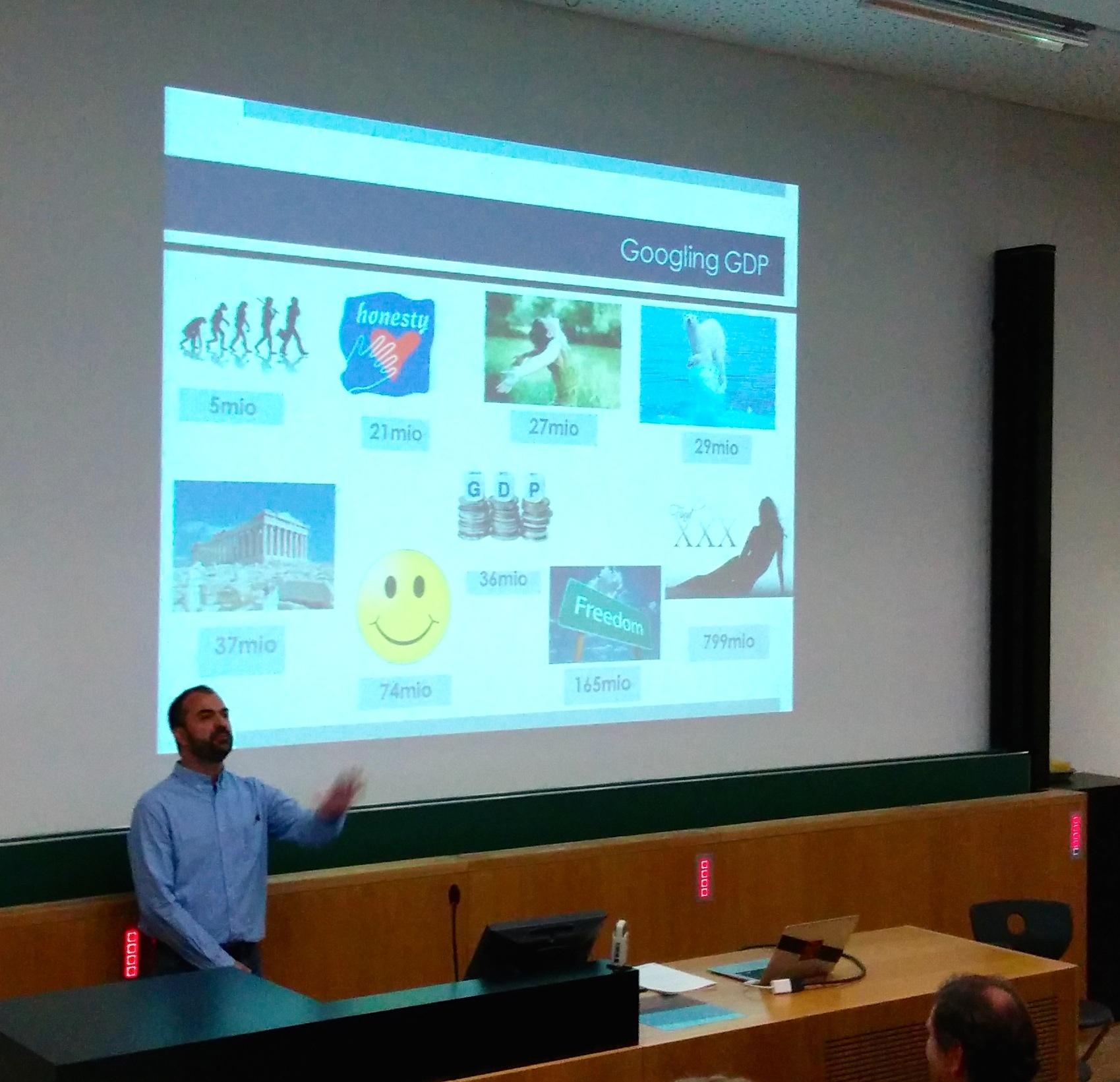
By Chris Ward Growth is always a goal in many countries, statistics appear everywhere and it’s always discussed. Even small reductions in GDP are met with bitter disappointment; it’s become one of the most important measures in the modern era. And yet there are surprisingly few discussions or resources on when and why this did happen. The special session on degrowth and history sheds some ligh...