
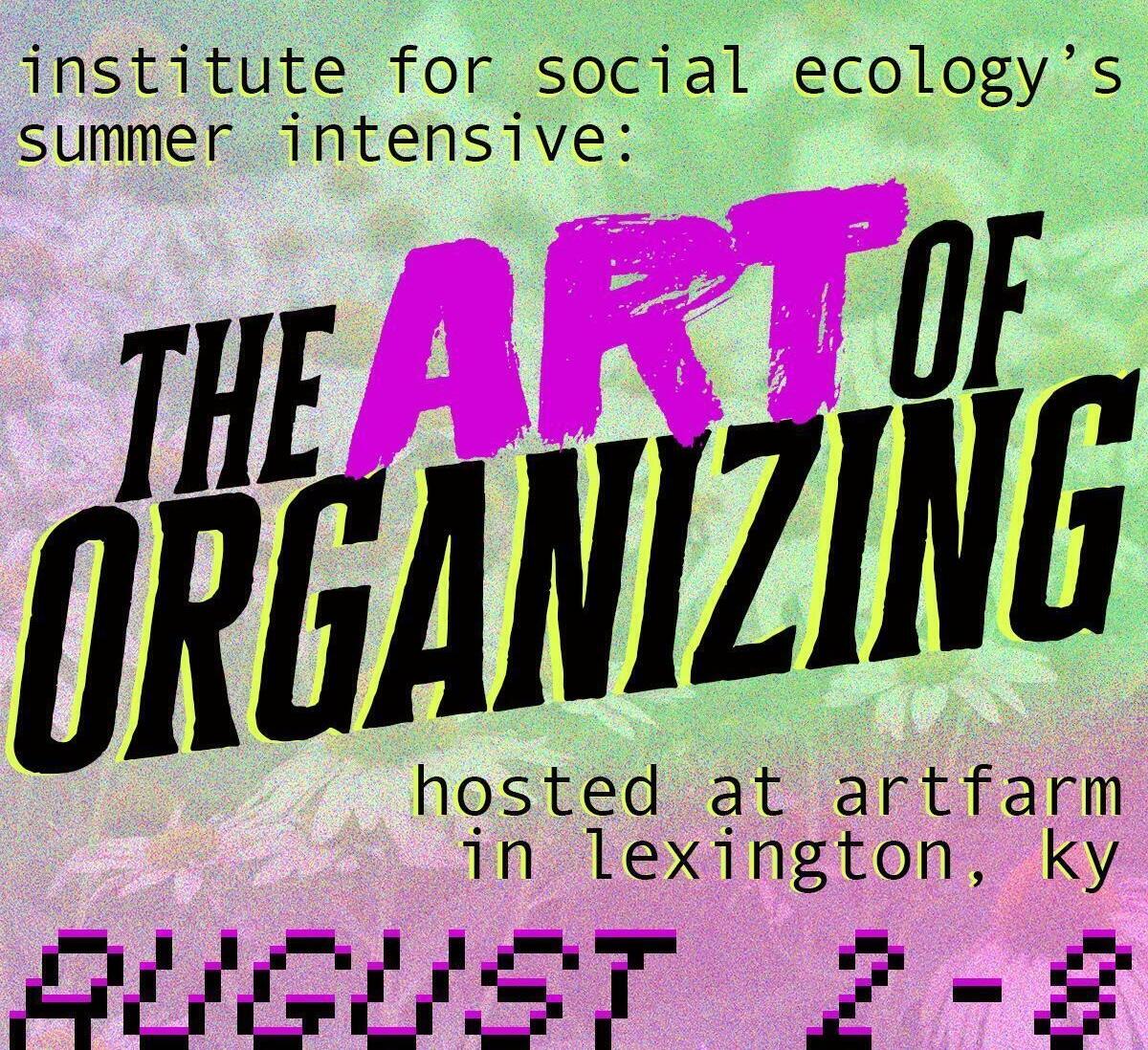
When: August 2-8th
Where: Lexington, KY, USA
We gather in a land of contradictions—where flooded hollers tell stories of extraction and abandonment, where prisons stand where mountains once did, and where the scourge of right-wing fascism has never left. Appalachia has been called many things: an internal colony, a sacrifice zone, “a place for trash." But we know it as a place of radical hope and stubborn resistance. Subterranean labor organizing, militant opposition to bosses and “the feds,” guerrilla-friendly hills and cavernous depths treacherous to those who ain’t from around here; in yonder horizon shines a light, nurturing seeds of insurgent possibility in the Bluegrass and beyond.
Here, in Lexington, on the western edge of central Appalachia, we find ourselves mired in the muck of swamps undrained. ICE storms the streets, surveilling every migratory Flock. Student visas have been revoked and houseless neighbors are criminalized for daring to survive in public. Yet even now, in the shadow of rising authoritarianism, new potentialities take root. A land rematriation project has successfully blocked a federal prison. A local tenants union has won a ban on source of income discrimination so people cannot be denied housing because they pay rent with vouchers or child support. As the State tries to quash the desires of trans youth, women, menstruators, and all who love us, grassroots models for collective care germinate underground. A new commons—artfarm—is rising, where art and organizing intertwine to prefigure the worlds we want to live in and with.
In a time of crisis and reaction, we choose courage and refuse despair. We ask: How do we build power in the wreckage? How do we grow freedom in the cracks of a broken system? What is the art of organizing in a time of collapse and possibility? How do creative practices and community organizing intertwine to cultivate regenerative futures? This year’s summer intensive course will be hosted at artfarm, itself an embodiment of these questions: part artist-run cooperative, part free school, part living experiment in building the future in the present. More than a physical space—with studios, offices, a gallery, a stage, a library, a mutual aid pantry, and a risograph infoshop—it is a movement commons where we practice the relationships and strategies necessary to build and fight for more free, caring, and ecological futures.
We all use models in daily life to explain our environment. An example: I assume that a tree will grow provided it has sufficient water, nutrients and sun. I am using a simple model here, without understanding the nitty-gritty – what exactly happens in the roots, stem, leaves and cells. Thinking in models is not only useful to understand our world, but also to solve problems. Let’s assum...
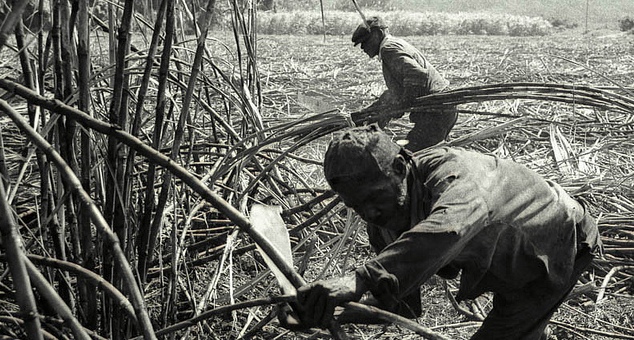
What is capitalism? A kind of state? An institution? Some values? A power structure? Ideology? A Culture? What governs capitalism? Supply and demand Invisible hand Enclosure of land The drive to expand Market mechanism Class schism Racism The moral virtue of productivism. Innovation! Invest! Impress! Progress! Entrepreneurial quest for Technological success in Pursuit ...
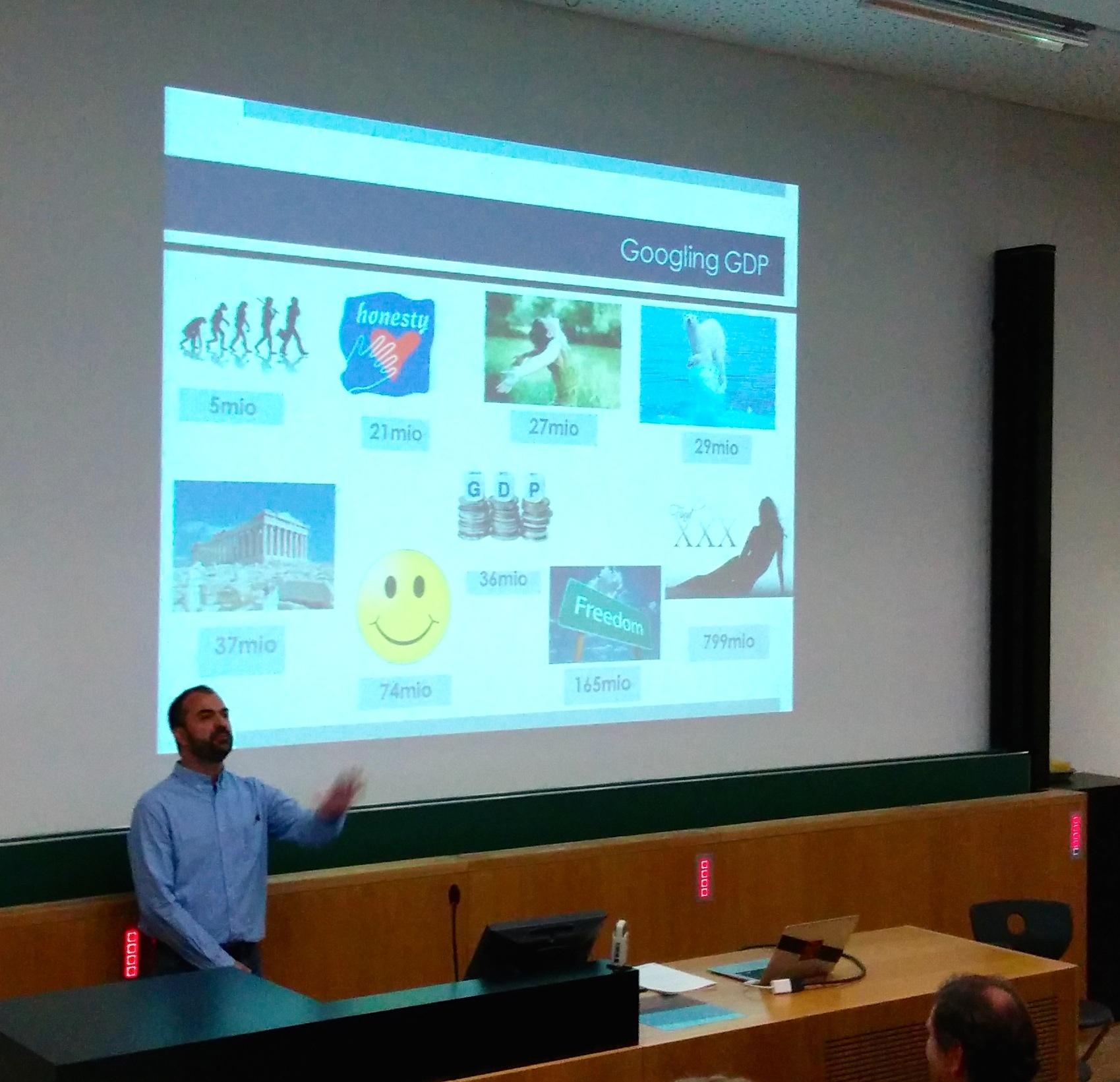
By Chris Ward Growth is always a goal in many countries, statistics appear everywhere and it’s always discussed. Even small reductions in GDP are met with bitter disappointment; it’s become one of the most important measures in the modern era. And yet there are surprisingly few discussions or resources on when and why this did happen. The special session on degrowth and history sheds some ligh...