
The climate crisis is a consequence of our economic system. Economic solutions, like carbon trading were supposed to be a problem solver. Despite such efforts, CO2 levels kept rising. Should we consider changing our economic system instead? And which role do environmental NGOs play in the battle for climate justice?
Joanna Cabello, activist and researcher on environmental justice and part of the Carbon Trade Watch collective, speaks about false solutions and grassroots activism. Joanna´s blog article "Where to begin with climate justice" is available here.
How a feminist degrowth approach can alleviate ecological and gender injustices Is it possible to reconcile sustainable development, a fair distribution of both paid and unpaid work among genders, and an economic strategy based on growth? In our article “The Monetized Economy versus Care and the Environment? Degrowth Perspectives on Reconciling an Antagonism”, a contribution to the 2018 Femini...
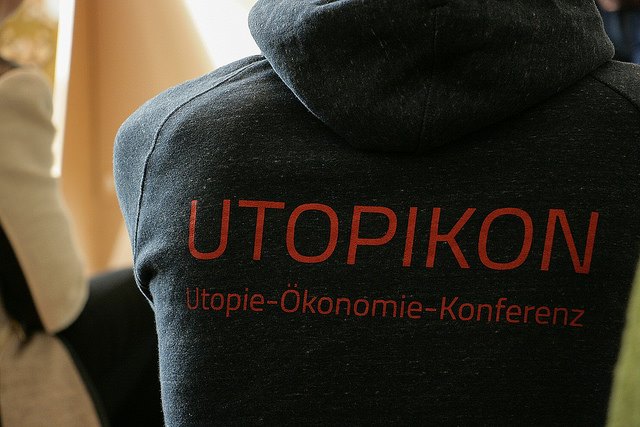
Interview mit Tobi Rosswog von living utopia Wir freuen uns sehr, dass die Utopie-Ökonomie-Konferenz UTOPIKON, die 4-6 November in Berlin stattfindet, Teil unseres Stream Towards Degrowth ist. Mit dem Stream wollen wir zeigen, dass die Suche nach alternativen Gesellschaftsentwürfen jenseits des Wachstumsparadigmas bei vielen Menschen auf große Begeisterung stößt, und dass es bereits eine bunte...
By Corinna Burkhart Humans get used to quite a lot of things and live their daily life through a set of what we can call habits. Everyday experiences are not much worth a thought as long as everything is like it always is. This can be driving by car to town, only to get stuck in the usual traffic jam, or something very simple like flushing the toilet or using knife and fork to eat a grilled pi...