
The climate crisis is a consequence of our economic system. Economic solutions, like carbon trading were supposed to be a problem solver. Despite such efforts, CO2 levels kept rising. Should we consider changing our economic system instead? And which role do environmental NGOs play in the battle for climate justice?
Joanna Cabello, activist and researcher on environmental justice and part of the Carbon Trade Watch collective, speaks about false solutions and grassroots activism. Joanna´s blog article "Where to begin with climate justice" is available here.

Economic growth can’t reduce inequalities; it merely postpones confronting exploitation. The emergence of interest in degrowth can be traced back to the 1st International Degrowth Conference organized in Paris in 2008. At this conference, degrowth was defined as a “voluntary transition towards a just, participatory, and ecologically sustainable society,” so challenging the dogma of economic gr...
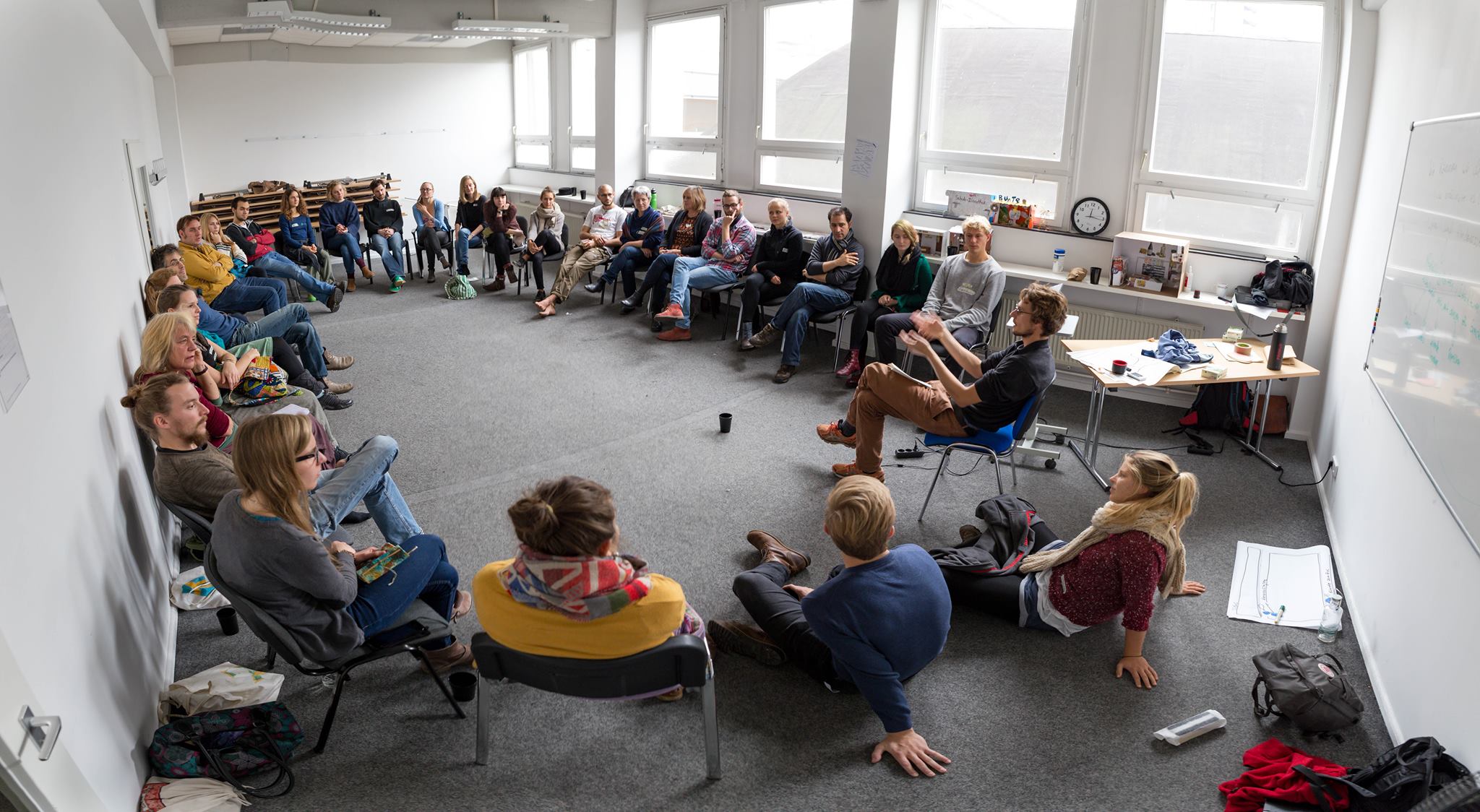
Die UTOPIKON ist jetzt vorbei und der Beweis ist erbracht: es ist absolut möglich, eine "echte" Konferenz mit Keynotes, Workshops, Verpflegung und allem, was dazugehört, geldfrei, vegan, ökologisch und solidarisch zu organisieren. Gleichzeitig hat die Konferenz auch noch unglaublich viel Spaß gemacht: selber etwas zu erleben, von dem es geheißen hatte, das das ja eigentlich gar nicht geht, ha...
Gemüsekooperative Rote Beete von Marc Menningmann auf Vimeo. Eine Exkursion während der Degrowth-Konferenz brachte Teilnehmende zur Gemüsekooperative "Rote Beete", die ein paar Kilometer außerhalb von Leipzig liegt. Hier wurde gezeigt, wie solidarische Landwirtschaft funktioniert. Außerdem ist ein großer Teil des Gemüses, das auf der Degrowth-Konferenz verzehrt wurde, hier angebaut worde...