
The Degrowth Summer School 2015 took place at the climate camp in the Rhineland. The Rhineland is one of the biggest lignite mining regions, the biggest source of CO2 in Europe. To protest against climate-damaging industry and resource extraction, different movements which have a lot in common and share ambitions get together and work on alternatives and a social transformation. A video by Raute Film. Degrowth Summer School & Climate Camp 2015 from Marc Menningmann on Vimeo.
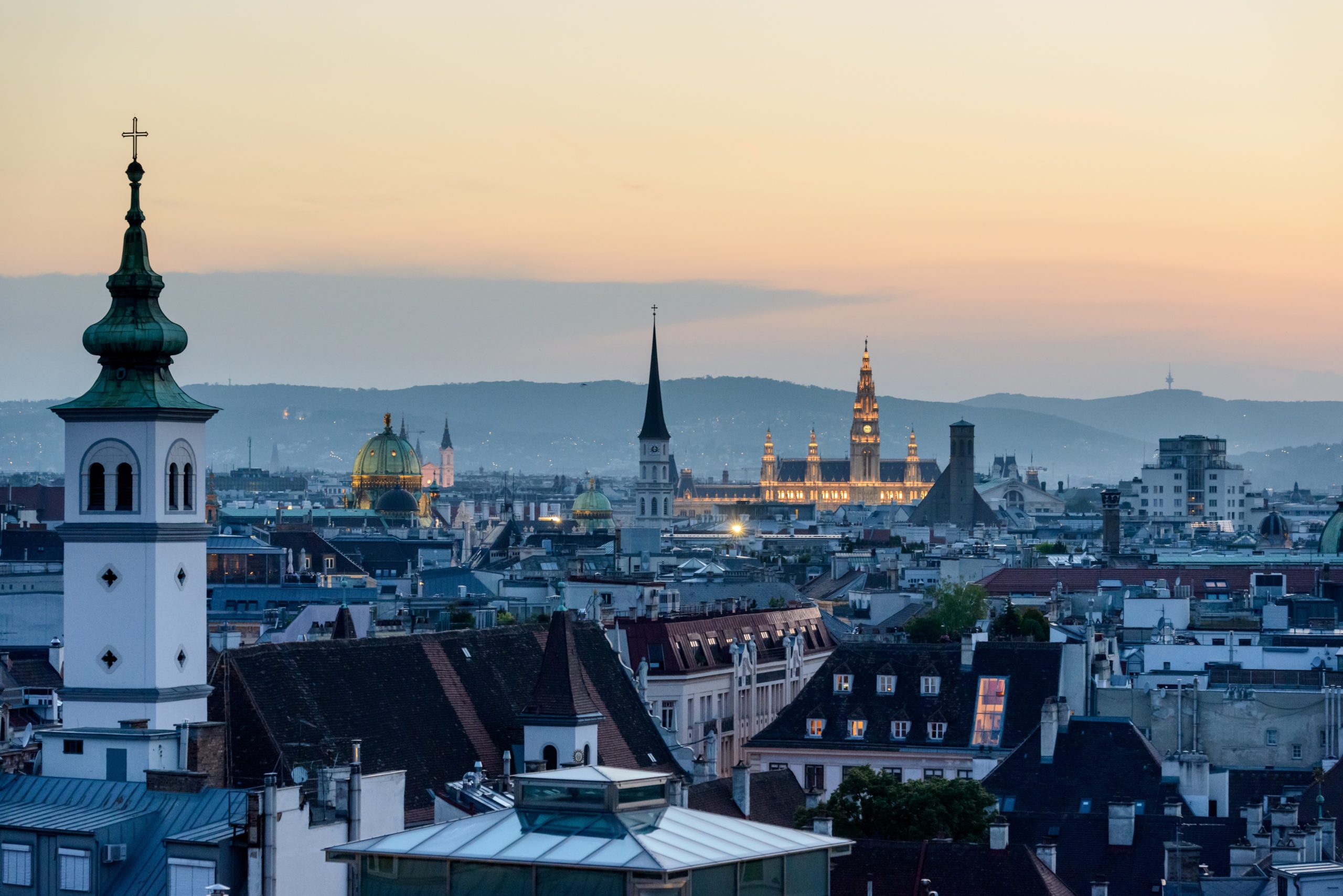
No one really told us what organizing a degrowth conference would entail. We simply knew we wanted to do it. Two years of organizing, meeting, discussing and struggling have passed and now we’re less than seven weeks away from the first day of the conference. The initial motivation we all had in the summer of 2018 has not gone, but it has faltered at times. There have been days when I wo...
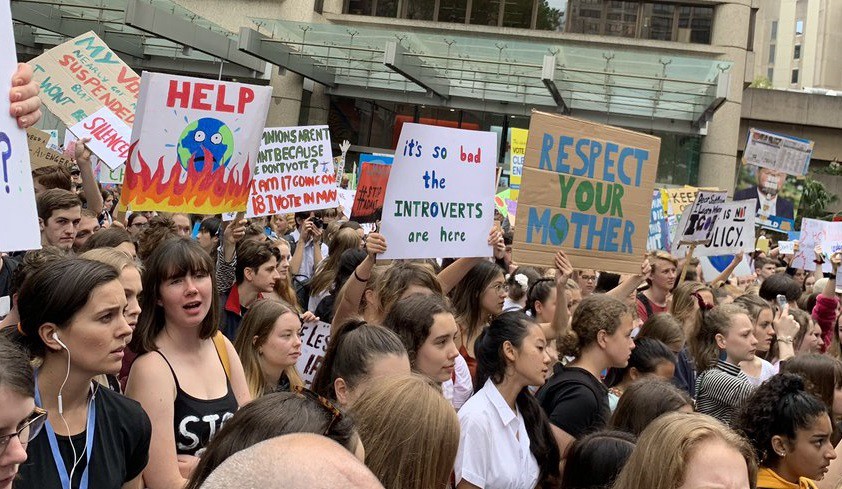
Dear Life, I was not aware, when I was born, that I was born onto a battlefield. I was not aware, as I learned to walk, that I was stomping over the habitats of many creatures. I was not aware, as my mother drove me to school, that we were riding roughshod over the unmarked graves of our fellow humans. I was not aware, as we flew around the world, that I was attacking my child’s chances. I was...

Green growth advocates praise resource efficiency for its potential to incentivize the economy and lower its ecological impact. On the other hand, the Jevons Paradox, describes multiple situations (or rebound effects) in which increased efficiency leads to further consumption (either direct or indirect) which offsets the initial ecological benefits achieved. In this piece, I join this discussio...