
Camila Moreno, expert on "green" energy in Brazil, gives some demonstrative examples of so called green and clean energy projects and their impact in the Global South. Her input is part of the panel A worldwide energy revolution? which took place at the Degrowth Conference in Leipzig in September 2014.
Would you like to continue on the topic? Discussions and actions for Climate Justice and Degrowth are continued at the Degrowth Summerschool 2015, for example with the panel discussion "Green growth" vs. "Leave it in the soil!" - the issue of natural resources.
By Sam Bliss Growth means a process of increasing in physical size. When we think of economic growth, it is difficult to fathom what exactly grows, since 'the economy' is an invented concept that describes billions of human interactions as if they were one giant entity. But gross domestic product is a rate -- the total money value of economic activity per year -- and thus growth really means ...
Gemüsekooperative Rote Beete von Marc Menningmann auf Vimeo. Eine Exkursion während der Degrowth-Konferenz brachte Teilnehmende zur Gemüsekooperative "Rote Beete", die ein paar Kilometer außerhalb von Leipzig liegt. Hier wurde gezeigt, wie solidarische Landwirtschaft funktioniert. Außerdem ist ein großer Teil des Gemüses, das auf der Degrowth-Konferenz verzehrt wurde, hier angebaut worde...
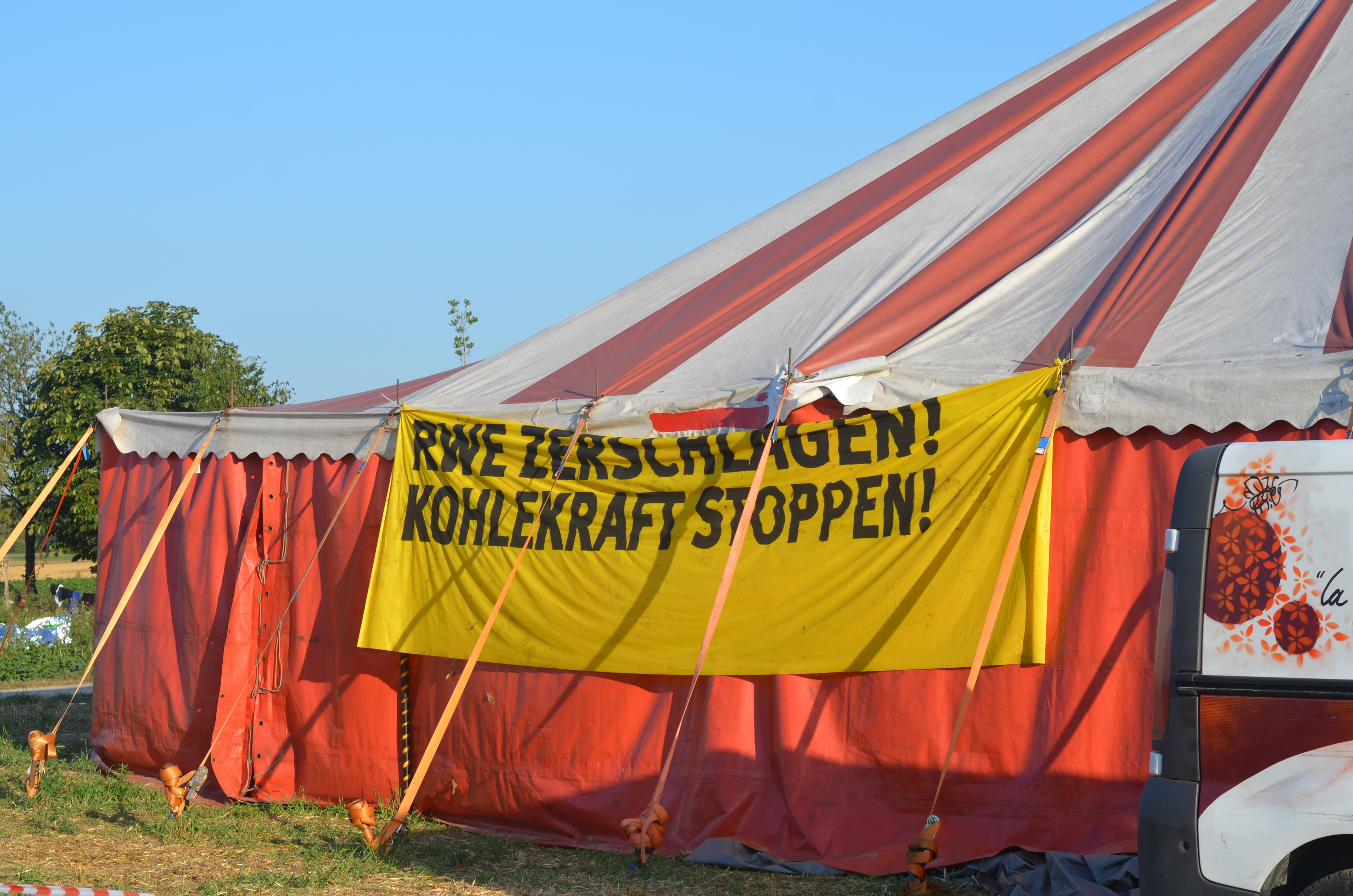
Aus Protest gegen den unverminderten Braunkohleabbau, der weiterhin Wälder und Dörfer verschlingt, findet dieses Jahr zum fünften Mal das Klimacamp Rheinland statt. Organisiert von einem Bündnis aus BUNDjugend NRW, ausgeCOhlt und zahlreichen Unterstützerorganisationen wird das diesjährige Camp wie bereits in 2010 am Tagebau Garzweiler veranstaltet. Während sich Anwohner_innen und lokale Bürge...