
Camila Moreno, expert on "green" energy in Brazil, gives some demonstrative examples of so called green and clean energy projects and their impact in the Global South. Her input is part of the panel A worldwide energy revolution? which took place at the Degrowth Conference in Leipzig in September 2014.
Would you like to continue on the topic? Discussions and actions for Climate Justice and Degrowth are continued at the Degrowth Summerschool 2015, for example with the panel discussion "Green growth" vs. "Leave it in the soil!" - the issue of natural resources.
Nächste Woche, vom 6.-8-Oktober 2017, findet in Leipzig die Konferenz „Selbstbestimmt und Solidarisch“ statt. Diese Konferenz ist an der Schnittstelle von Migration, selbstbestimmter Entwicklung und ökologischer Krise angesiedelt. An dieser Stelle beschreibt Olaf Bernau von Afrique-Europa-Interact, worum es gehen wird. Spätestens seit Geflüchtete im Sommer 2015 das europäische Grenzregim...
DiB - Peoples Global Action - Teaser from Raute Film on Vimeo. Was hat die Peoples Global Action-Bewegung erreicht? Wie steht sie im Verhältnis zu Degrowth? Was kann die Degrowth-Bewegung von den Erfahrungen ihrer Aktionen lernen? Und was können andere soziale Bewegungen wiederum voneinander sowie von Degrowth-Ideen und -Praktiken lernen? Antworten auf diese und andere Fragen gibt es bei...
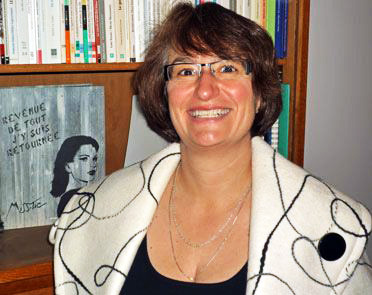
Interview mit Christine Bauhardt Prof. Dr. Christine Bauhardt ist Professin für Gender und Globalisierung an der Humboldt Universität in Berlin. Ihre Forschungsschwerpunkte sind Gesellschaftliche Naturverhältnisse und Geschlechterverhältnisse, Feministische Ökonomiekritik sowie Migration und Stadtentwicklung. Für die Interview-Reihe des Stream towards Degrowth hat sie unsere Fragen auf Englis...