
Gemüsekooperative Rote Beete [Vegetable Cooperative „Rote Beete“] from Marc Menningmann on Vimeo.
What has agriculture to do with the climate? A lot. Modern, industrialized agriculture is heavily dependent on fossil fuels. This video shows an excursion which took place in the context of the Degrowth Conference in Leipzig last year. Participants visited the vegetable cooperative "Rote Beete" outside Leipzig and got to know how solidarity agriculture works. This production and consumption of local organic vegetables is direct action for the climate.
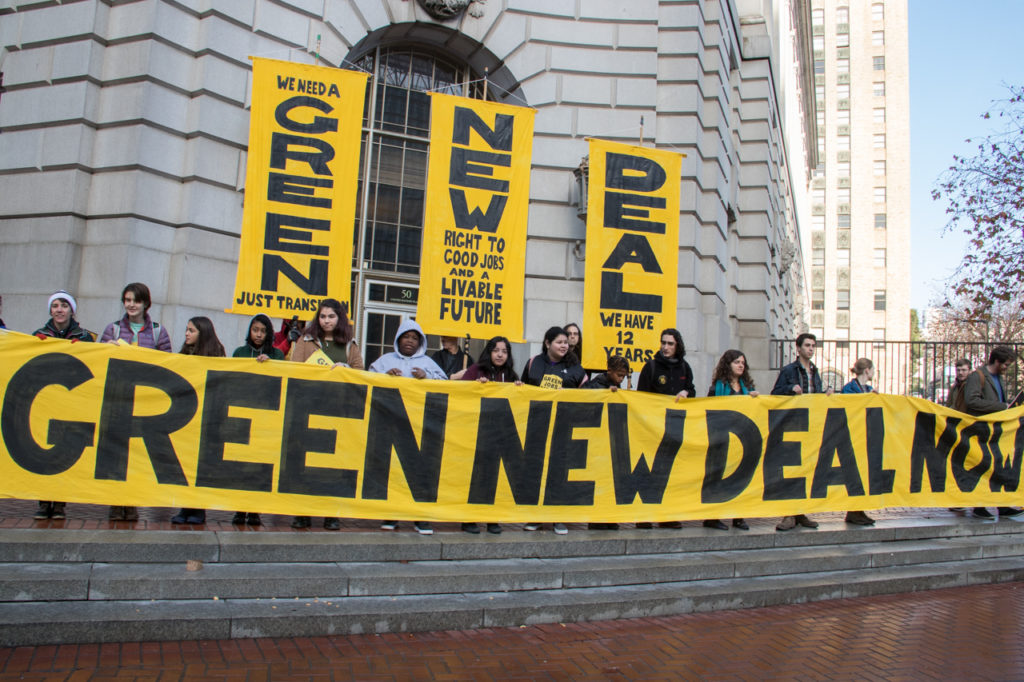
Introducing a series of proposals for a truly transformative GND The Green New Deal is on everyone’s lips and policy platforms. Liberal pundit Thomas Friedman coined the term in 2007, and Left parties in the UK called for a Green New Deal during the recession that followed the 2008 global financial crash. Last year, Congresswoman Alexandria Ocasio Cortez rebooted the idea in the United Sta...
Degrowth poses a fundamental challenge to a Labour Party that has yet to decide how far it wishes to transcend – and not merely reform – a growth- oriented, capitalist political economy. The British Labour Party has seen a resurgence of radicalism since the 2007-8 financial crash. With the collapse of the authority of neoliberalism, a space has opened for alternative ideologies, theories and...
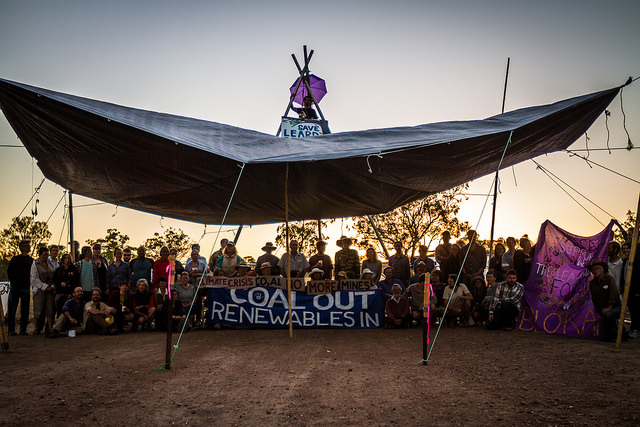
By Tadzio Müller In the run-up to last year’s United Nations Climate Conference in Lima, Peru, a particular headline kept popping up, an attempt to once again establish a particular meme in the mind of global elites as well as wider populations: friends, the line goes, you’re right to worry about climate change, but – say the reports by, on the one hand, the International Monetary Fund, and on...