
Gemüsekooperative Rote Beete [Vegetable Cooperative „Rote Beete“] from Marc Menningmann on Vimeo.
What has agriculture to do with the climate? A lot. Modern, industrialized agriculture is heavily dependent on fossil fuels. This video shows an excursion which took place in the context of the Degrowth Conference in Leipzig last year. Participants visited the vegetable cooperative "Rote Beete" outside Leipzig and got to know how solidarity agriculture works. This production and consumption of local organic vegetables is direct action for the climate.
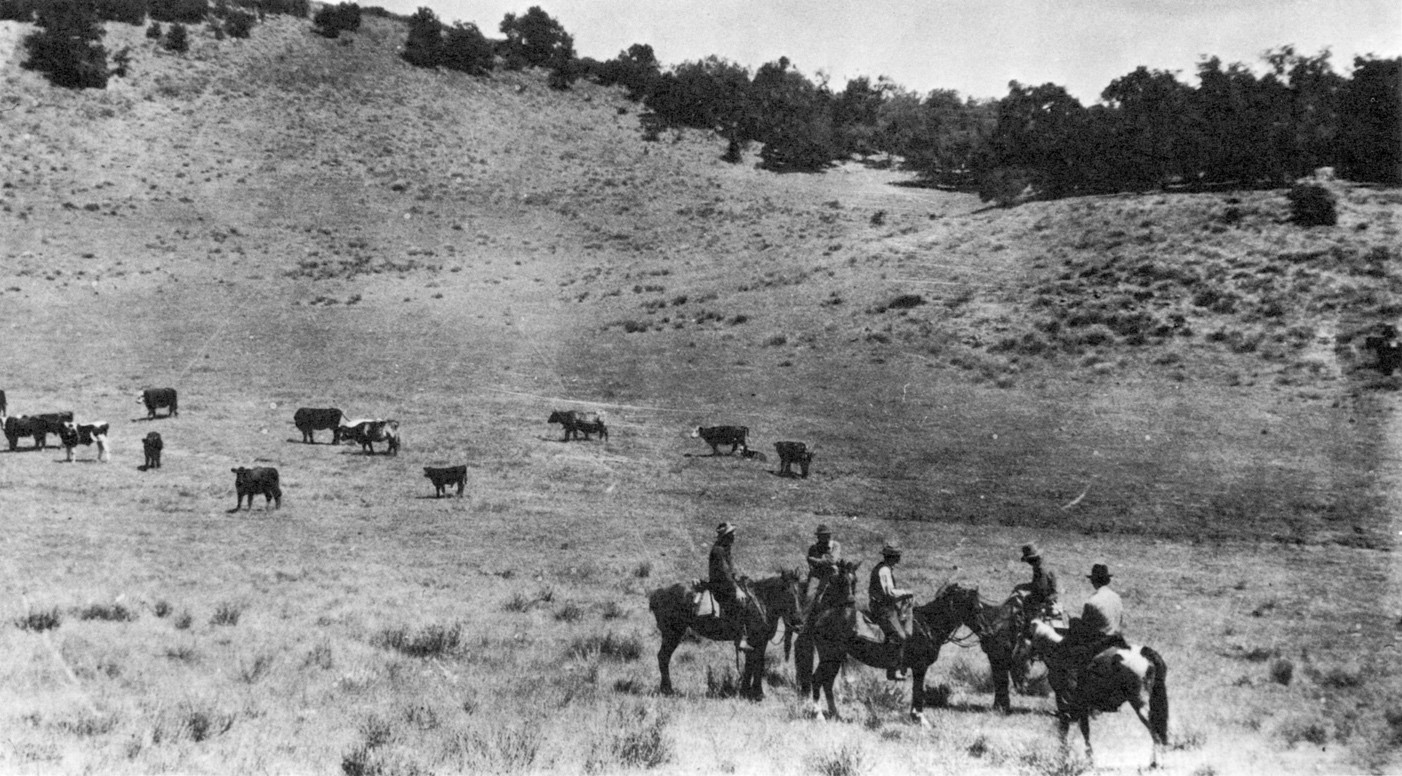
On top of the ethical, environmental and epidemiological arguments, the animal liberation perspective can also provide an alternative historical view on growth. This article explores the historical connections between animal exploitation, growth and violence, and the lessons these offer for degrowth today. A previous article on this blog argued that degrowth should incorporate an eth...

As Vincent Ligey, coordinator of the Budapest Conference organizing team mentioned in the closing plenary, it was an experiment to hold an international degrowth conference in a former socialist country where the soil for degrowth ideas is not particularly fertile. The more it came as a surprise that the conference had received a widespread coverage in Hungarian media. Szandra Koves, press out...
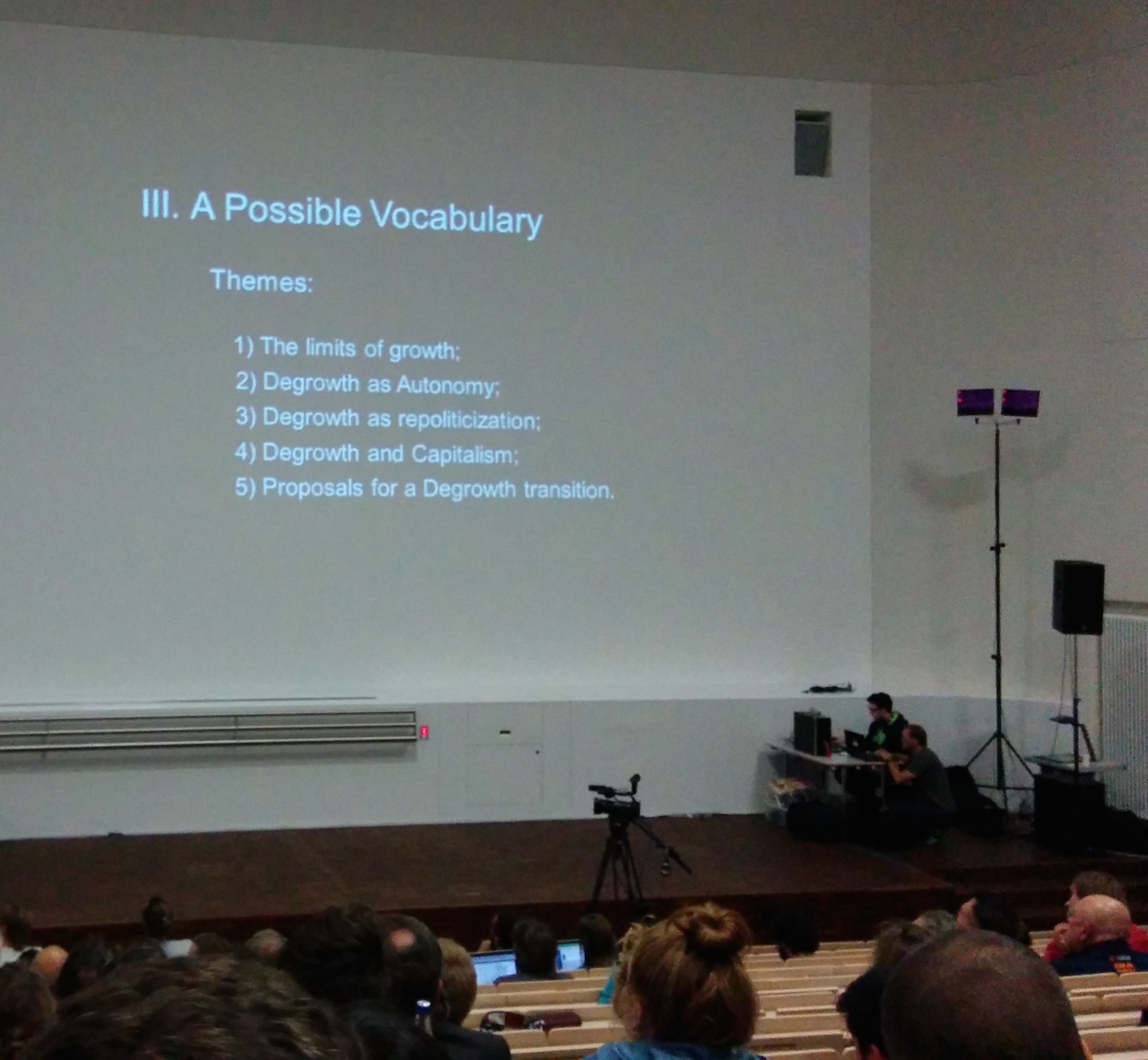
By Chris Ward Despite attending the conference, not everyone will fully understand what ‘Degrowth’ is, or the multitude of related terms that will be mentioned during the conference. Thankfully the first session on the schedule, offered by Federico Demaria and Giacomo D´Alisa was ideally suited for getting your knowledge up to scratch. Judging by audience responses to the question “What ...