

“Wirtschaft ohne Wachstum” – so lautet erneut das Ausschreibungsthema für den Kapp-Forschungspreis für Ökologische Ökonomie. Der Preis ist mit 5.000 Euro dotiert und richtet sich an junge Wissenschaftlerinnen und Wissenschaftler der verschiedensten Disziplinen. Die Bewerbungsfrist endet mit dem 1. März 2016. Weitere Infos gibt es hier oder auf der Website der Vereinigung für Ökologische Ökonomie (VÖÖ)
One argument of those who defend growth is that growth is the natural and inevitable course of the economy. Liberated from governmental or other restrictions, and left to their own powers, entrepreneurs will make an economy grow, as they are endlessly inventive in growing their own incomes. Growth is then seen as the natural product of a free, ‘self-regulated market’. The destiny of the economy...
Von Camila Moreno, Lili Fuhr and Daniel Speich Chassé Bis vor kurzem noch hätten Begriffe wie "CO2-Bilanz", "CO2-Fußabdruck" oder "CO2-Ausgleich" nur fragende Blicke in der allgemeinen Öffentlichkeit hervorgerufen. Inzwischen sind sie in aller Munde, ganz unabhängig von der Frage, ob sie den notwendigen Klimaschutzzielen überhaupt dienlich sind oder nicht. „Carbon metrics“ sind das Maß aller D...
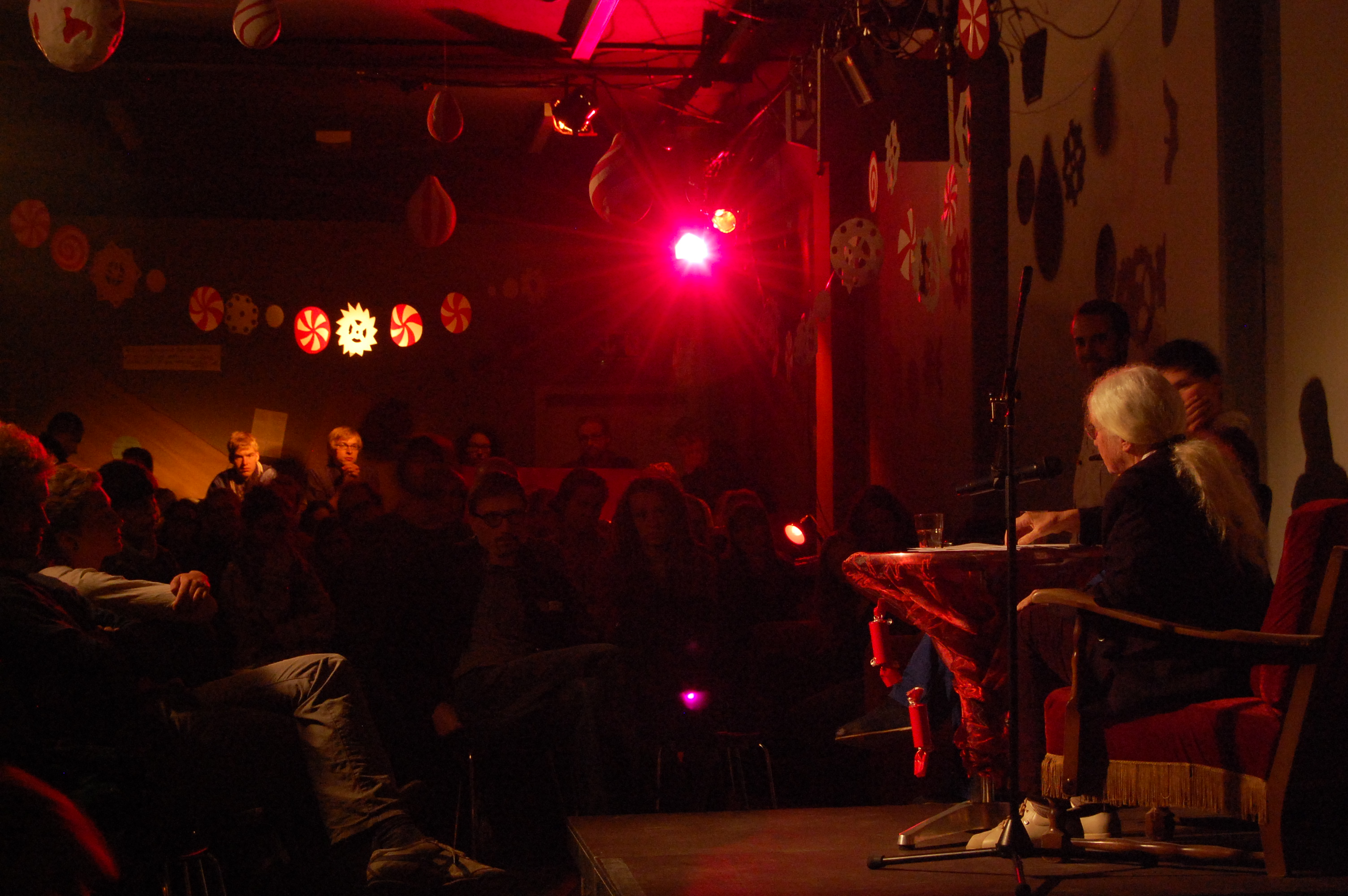
von Frigga Haug Auf dem Kapitalismuskongress von Attac im Jahre 2009 plädierte Heiner Geissler in der Abschlussveranstaltung für eine Ökodiktatur. Schließlich war er aus Besorgnis auch um die ökologischen Probleme der Gesellschaft selbst als prominentes CDU-Mitglied in attac eingetreten und warb jetzt dafür, die etwa 2000 Versammelten möchten in diesem Sinn agieren. Im wachsenden Empörungslä...