

The 10th International Degrowth Conference and the 15th Conference of the European Society for Ecological Economics (ESEE) will be held in the city of Pontevedra (Galicia, Spain) from 18 – 21 June 2024. This joint conference is part of the “Pontevedra ESEE-Degrowth 2024” activities, which will establish Pontevedra as the European capital of degrowth in 2024.
The event titled 'Science, Technology, and Innovation beyond growth: Cultivating collective creativity for a sustainable future,' will consist of two types of activities:
The event is organized around principles of degrowth, with a strong focus on advancing human and environmental wellbeing, promoting cooperation, democracy, inclusiveness, transparency, and solidarity. The Organizing Committee warmly invites everyone to join them in the welcoming city of Pontevedra.
To stay connected and receive updates, visit the website and follow us on social networks, where you will find the latest information and announcements.
Prior to the conference will be held the 5th International Assembly of the Degrowth Movement, on Monday June 17th, in a hybrid format, online and in Pontevedra. Find more information here.
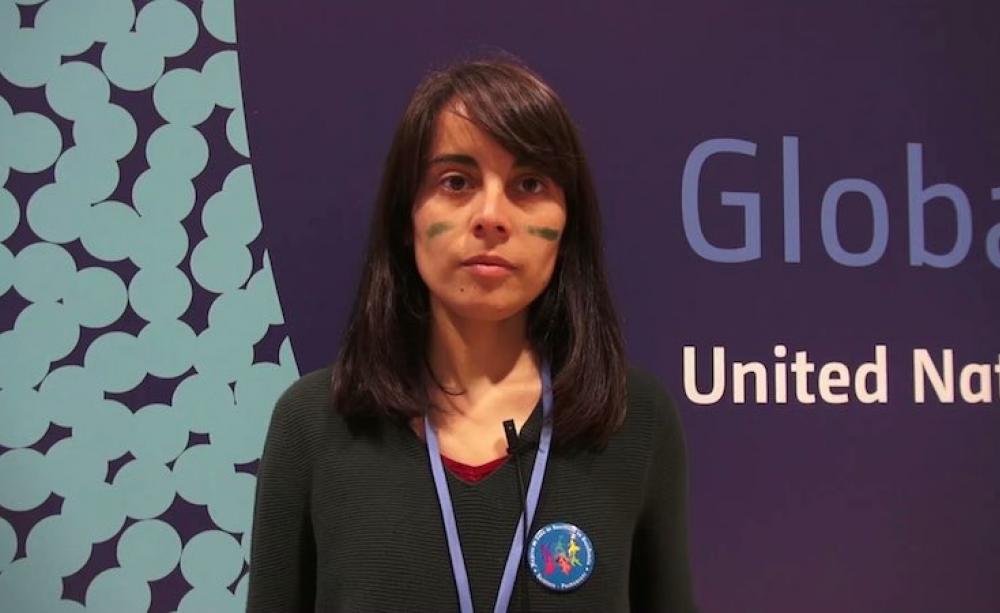
The negotiators at this year's COP25 in Madrid achieved nothing, despite warnings from many voices about the acceleration of the climate crisis. The UN climate negotiations in Madrid, COP25, have amounted to precious little. The extended talks have provided the opportunity for petrol states and developed countries to excise the red lines of developing countries from the text of the...
Degrowth stands for moving beyond the paradigm of the growth- and profit-oriented economic system. By means of a social-ecological transformation, a good life for all can be achieved. This means overcoming the imperial way of living of the global North, building alternatives, and creating positive narratives of our possible future. This also includes resisting useless large-scale projects, priv...
How to sell degrowth is one of the questions of our research and communication project Postwachstumspioniere at the Institute for Ecological Economy Research. In the paper “Successful non-growing companies“, Andrea Liesen, Christian Dietsche and myself are discussing motives and strategies that seem to apply to a variety of non-growing companies. We found that small and medium-sized [...]