
Rob Hopkins is the founder of the Transition Movement. We interviewed him for the Stream towards Degrowth during the launch of his new Book “The Power of just doing Stuff - How local Action can change the World” in Bielefeld. Watch the video to hear more about the connections and differences between the Degrowth and the Transition Movement.

The topic of population growth is often omitted from any debate regarding environmental impact in all academic circles ranging from classical to heterodox. While it is undeniable that the global population is increasing and will continue to increase for some time, no serious address towards the seemingly obvious relationship between population growth and environmental degradation is directly di...
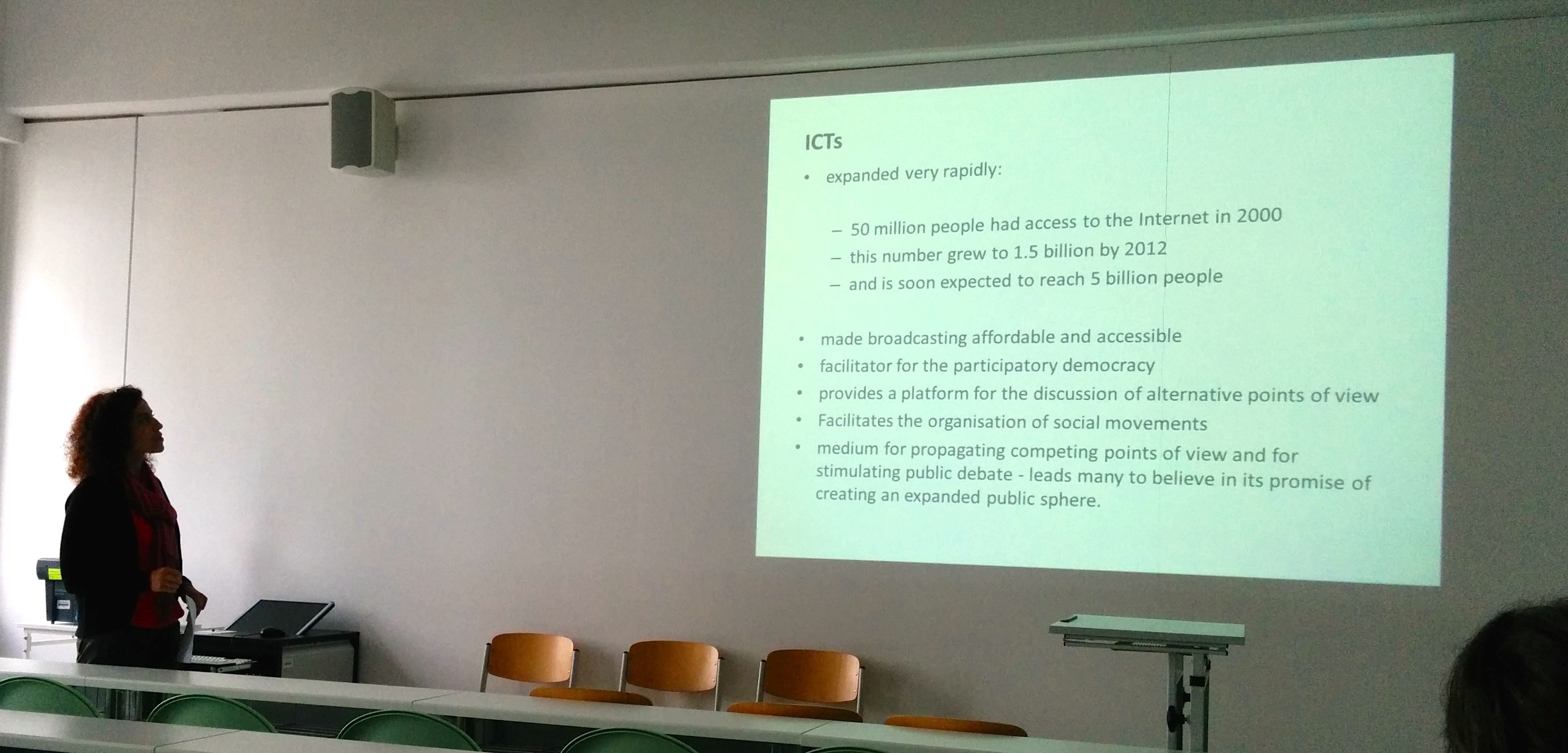
By Chris Ward In the scientific paper session on technological solutions for a degrowth society, it was refreshing to hear someone (unsurprisingly an engineer) mention that the degrowth movement could do with more practical projects and methodologies to run alongside the theoretical discussions. The OAE Project: Open Data and Open Source software for a sustainable economy The OAE project a...
The Stream towards Degrowth has begun to flow! Political, scientific and artistic institutions and initiatives as well as individuals are all part of the current of a growth-sceptic public. We started the stream on the 27th of November in Jena, Germany. Now we're looking forward to gathering reports, debates and points of views - in order to show the problems of the fixation on growth and to pr...