
On the occasion of the presentation of our project Degrowth in Movement(s) at the Budapest Degrowth Conference, commons activist Silke Helfrich wrote a summary on the event. Read more on the CommonsBlog.

Technological pipe dreams and the fixation on perpetual growth have prevented effective climate policies for decades "Happiness does not pay pensions", said the Austrian chancellor Sebastian Kurz at the recent World Economic Forum in Davos. The statement aimed to criticize the idea of a “post-growth” or “degrowth” society, which has received increasing attention in light of the climate crisis....
The Support Group of the International Conferences on Degrowth for Ecological Sustainability and Social Equity met in Villarceaux, outside Paris, at the end of January. It was decided that the 7th International Degrowth Conference will take place in Manchester at the beginning of September 2020. The Manchester local organising committee sent a very strong application titled "Building Alt...
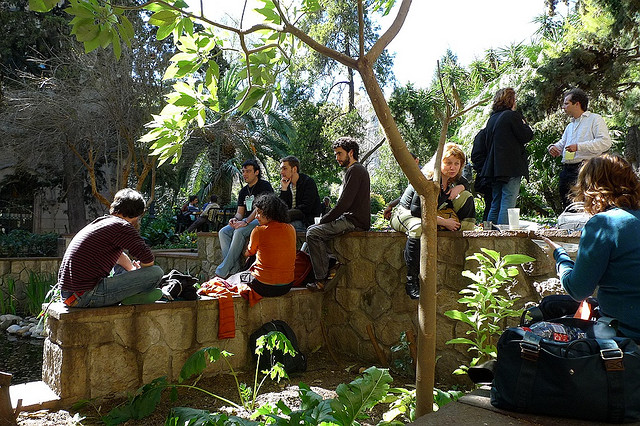
By Filka Sekulova and Francois Schneider One might say that the term degrowth provides few new insights. At first sight the concept seems identical with the calls of the Radical Ecology Movement from the Seventies, supplanted by the Meadows report to the Club of Rome on ‘The limits to growth’. Yet, unlike terms such as [...]