
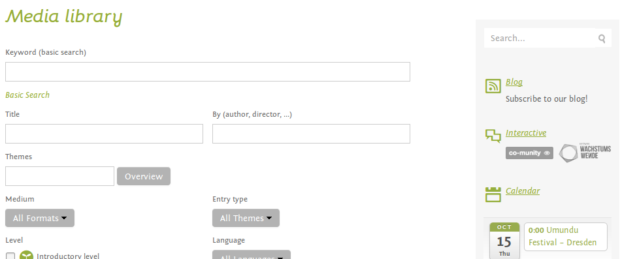
After almost a year of tireless work we are proud to present our degrowth library. Here you can find various materials related to the transition to an economy independent from economic growth. The library already contains almost 700 entries, from introductory videos to newspaper articles and scientific publications in different languages. Diverse search options and an extensive list of themes make it easy to filter the existing material.
With the library, the team of the degrowth web portal hopes to make existing media easily accessible and to support the degrowth movement which is currently gaining momentum. The library will remain up to date as more materials are continuously added. We wish you much fun exploring the library!

The annual World Economic Forum in Davos brought together representatives from government and business to deliberate how to solve the worsening climate and ecological crisis. The meeting came just as devastating bush fires were abating in Australia. These fires are thought to have killed up to one billion animals and generated a new wave of climate refugees. Yet, as with the COP25 climate talks...
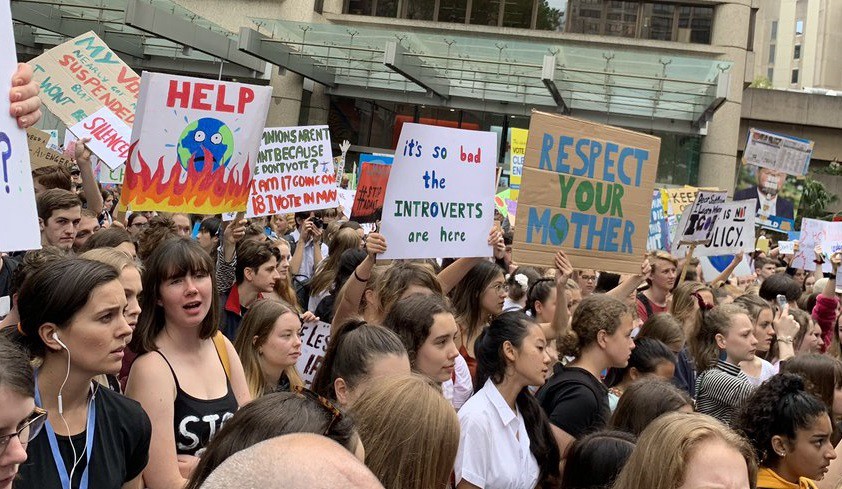
Dear Life, I was not aware, when I was born, that I was born onto a battlefield. I was not aware, as I learned to walk, that I was stomping over the habitats of many creatures. I was not aware, as my mother drove me to school, that we were riding roughshod over the unmarked graves of our fellow humans. I was not aware, as we flew around the world, that I was attacking my child’s chances. I was...
We all use models in daily life to explain our environment. An example: I assume that a tree will grow provided it has sufficient water, nutrients and sun. I am using a simple model here, without understanding the nitty-gritty – what exactly happens in the roots, stem, leaves and cells. Thinking in models is not only useful to understand our world, but also to solve problems. Let’s assum...