
24/7 – For years, BER and its members have been working together on the vision of One World City Berlin: a globally just, anti-racist, and sustainable city. We are guided by the question of how to collectively transform our city. With this in mind, we are committed to a development policy that aims to dismantle global injustices shaped by racism, capitalism, patriarchy, and colonialism, in collaboration with actors in the city.
We would like to invite you to join us in discussing strategies to transfor the city and gathering inspiration from good examples and alliances from practice. Our goal is to consider global justice and to strengthen grassroots democracy, decolonization, fair economy, and partnerships between the Global North and the Global South in urban society.
The aim of the conference is to create spaces for discussion and networking, exchange ideas for political practice, strengthen alliances and share knowledge through two discussion panels as well as a variety of workshop formats.
More information here.
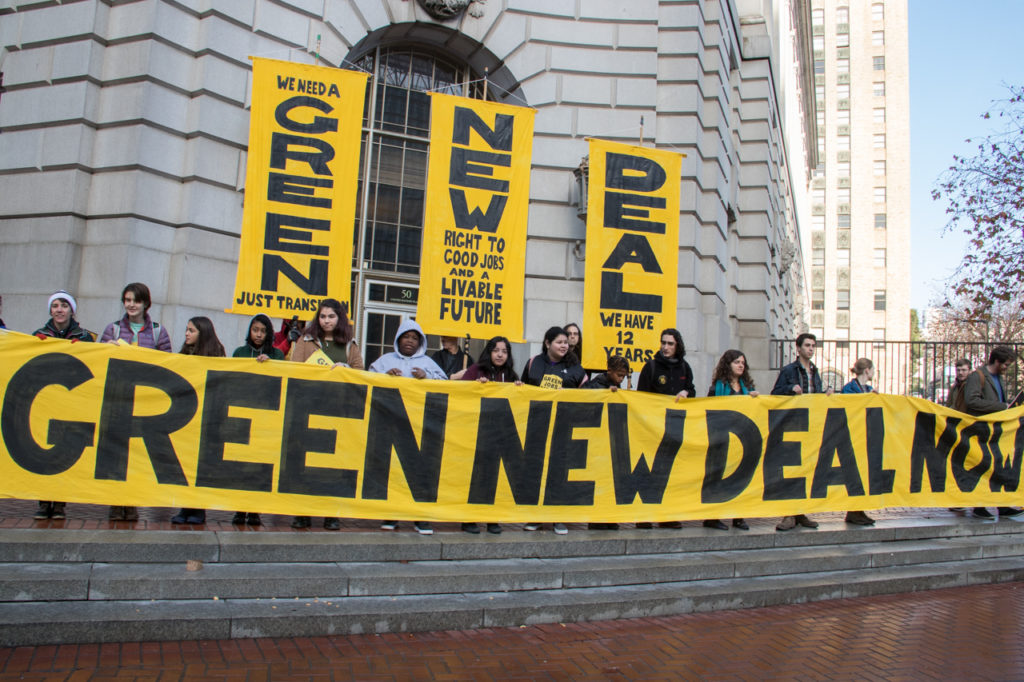
Introducing a series of proposals for a truly transformative GND The Green New Deal is on everyone’s lips and policy platforms. Liberal pundit Thomas Friedman coined the term in 2007, and Left parties in the UK called for a Green New Deal during the recession that followed the 2008 global financial crash. Last year, Congresswoman Alexandria Ocasio Cortez rebooted the idea in the United Sta...
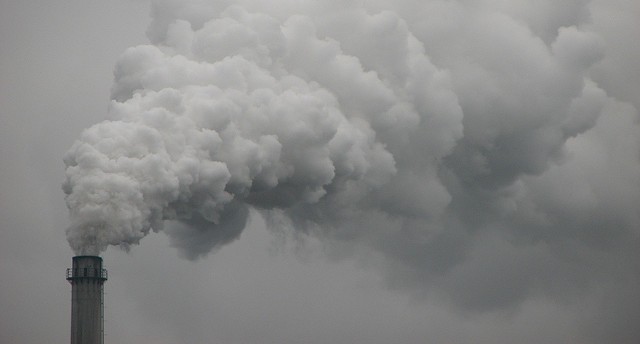
Until recently terms like “carbon accounting,” “carbon footprint” and “carbon offsetting” would have raised some quizzical eyebrows among the general public. Today, such carbon-based metrics are everywhere, but are they helpful or unhelpful in motivating the necessary action on climate change? Although the case for metrics may seem incontrovertible, what is measured is always a political choic...
Rob Hopkins is the founder of the Transition Movement. We interviewed him for the Stream towards Degrowth during the launch of his new Book “The Power of just doing Stuff - How local Action can change the World” in Bielefeld. Watch the video to hear more about the connections and differences between the Degrowth and the Transition Movement.