
We at Research & Degrowth are repeatedly being told that our framing won't work. That we are preaching to the choir by the way we frame our proposals, and that we will never convince the broader public. So, here are our policy proposals re-framed in the language of the U.S. elections.
Abolish all income tax on incomes lower than $50,000 dollars per year. Finance this tax break by establishing a sovereign carbon fund financed by charges to the oil, coal and natural gas industry and by a carbon fee on trade imports.
Make Friday a day off that we can dedicate to our families, friends and communities. Do not reduce salaries: same pay for four days of work. President Roosevelt did it during the Great Depression. This alone can create 10 million new jobs.
No bank should lend more than its deposits. Banks cannot be allowed to create money out of thin air, while all the rest of us have to work hard just to get by.
Each and everyone should have the freedom to choose how to live their lives free from illness, hunger or fear. Establish a permanent freedom income of $800 per month, for every American. Pay for the income like Alaska did with a sovereign carbon fund. If this is not enough, finance it with a sovereign capital fund, funded by a progressive fee on excessive capital.
Hard-working Americans should have the right to inhabit housing assets that are left unused for more than one year for the purpose of speculation.
Der Wohlstand Mitteleuropas, unser hohes Mobilitäts- und Konsumniveau, gründet auf drei industriellen Revolutionen, deren technischer Fortschritt die Arbeitsproduktivität ständig erhöht hat. Die Folgen sind paradox: Einerseits können mit dem gleichen Arbeitsaufwand immer mehr Güter produziert werden, und die breite Masse der Bürger kann sich dank Lohnerhöhungen immer mehr leisten. Andererseits ...
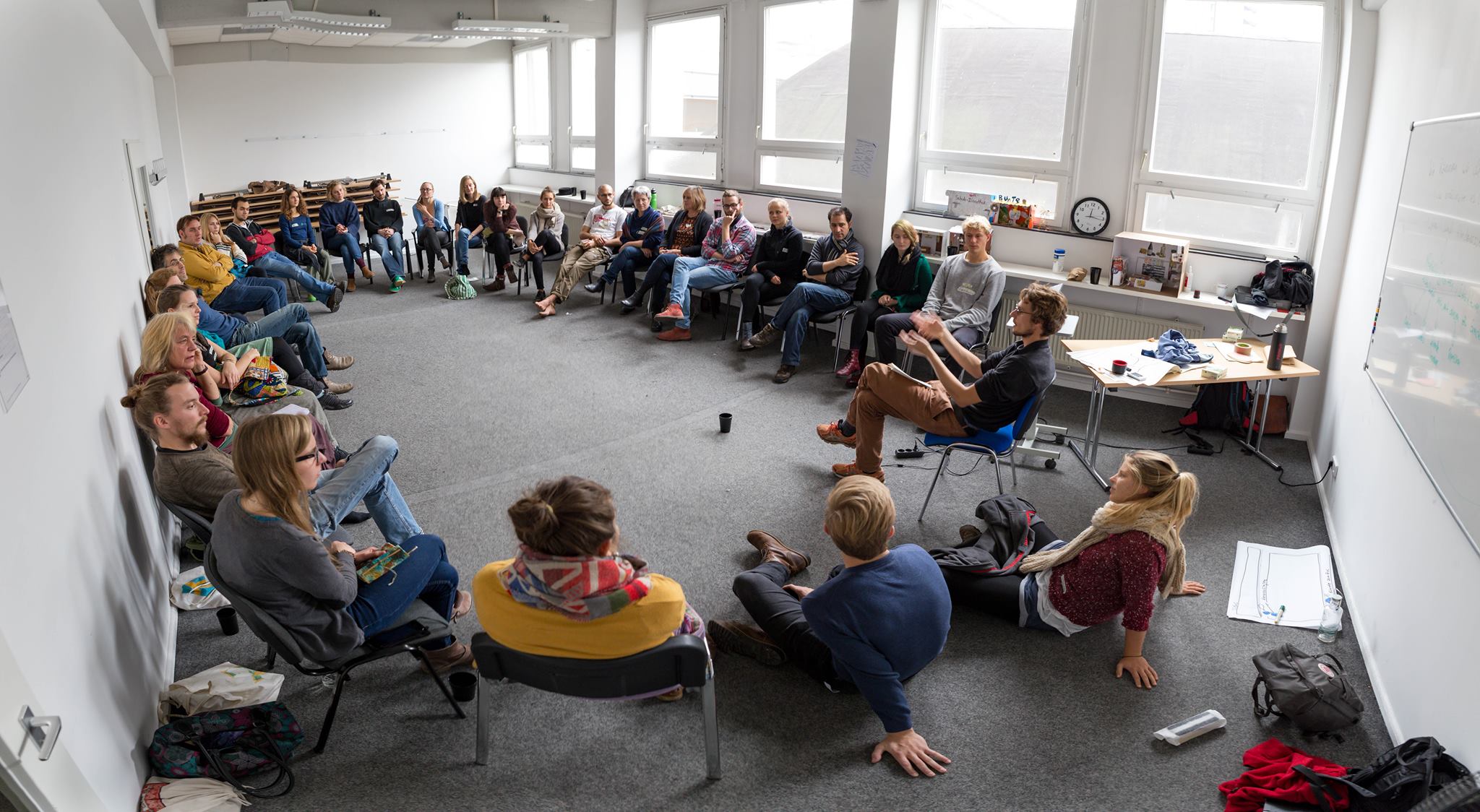
Die UTOPIKON ist jetzt vorbei und der Beweis ist erbracht: es ist absolut möglich, eine "echte" Konferenz mit Keynotes, Workshops, Verpflegung und allem, was dazugehört, geldfrei, vegan, ökologisch und solidarisch zu organisieren. Gleichzeitig hat die Konferenz auch noch unglaublich viel Spaß gemacht: selber etwas zu erleben, von dem es geheißen hatte, das das ja eigentlich gar nicht geht, ha...
Von Lasse Thiele Im ersten Teil dieses Beitrags wurde in entwicklungskritische Diskurse eingeführt, in denen seit Jahrzehnten das westliche Wohlstands- und Wachstumsmodell dekonstruiert wird. Die Anknüpfungspunkte zwischen Entwicklungs- und aktueller europäischer Wachstumskritik – und den im nächsten Schritt formulierten Alternativvorschlägen – sind zahlreich. Im Folgenden sollen nur einige be...