

Nach fast einem Jahr unermüdlicher Arbeit freuen wir uns, unsere Mediathek präsentieren zu können. Hier finden sich diverse Medien zu einer Wirtschaft, die ohne Wachstum auskommt. Bereits jetzt umfasst die Mediathek fast 700 internationale Einträge, von einstiegsfreundlichen Videos über Zeitungs- und Radiointerviews bis hin zu wissenschaftlichen Veröffentlichungen. Die Beiträge lassen die sich über Suchkriterien oder die umfangreiche Themenliste bequem filtern.
Mit der Mediathek möchte das Team des Degrowth Web-Portals bereits vorhandene Medien einfacher zugänglich machen und damit die bereits dynamische Degrowth-Bewegung zu unterstützen. In den nächsten Wochen und Monaten wird sich die Mediathek weiter füllen. Wir wünschen viel Spaß beim Stöbern!
The left's strange bedfellows Over a year ago I lived in Barcelona, where I was lucky enough to witness a social movement—in large part fuelled by cooperatives, squats, and other autonomous spaces—win the mayoral elections. I had spent the year being involved with a group that studies and advocates ‘degrowth’—the idea that we must downscale production and consumption to have a more equitable s...

Der AK Reproduktion, das Feministische Institut Hamburg und die Rosa-Luxemburg-Stiftung laden ein zur „Aktionskonferenz Care Revolution“ am 14.-16. März 2014 in Berlin. Für den Stream towards Degrowth hat uns Jette Hausotter, als Mitglied des AK Preproduktion, einige Fragen beantwortet. Die Initiator_innen der Aktionskonferenz und über 50 Kooperationspartner_innen wollen den Anstoß geben, die individuellen und kollektiven [...]
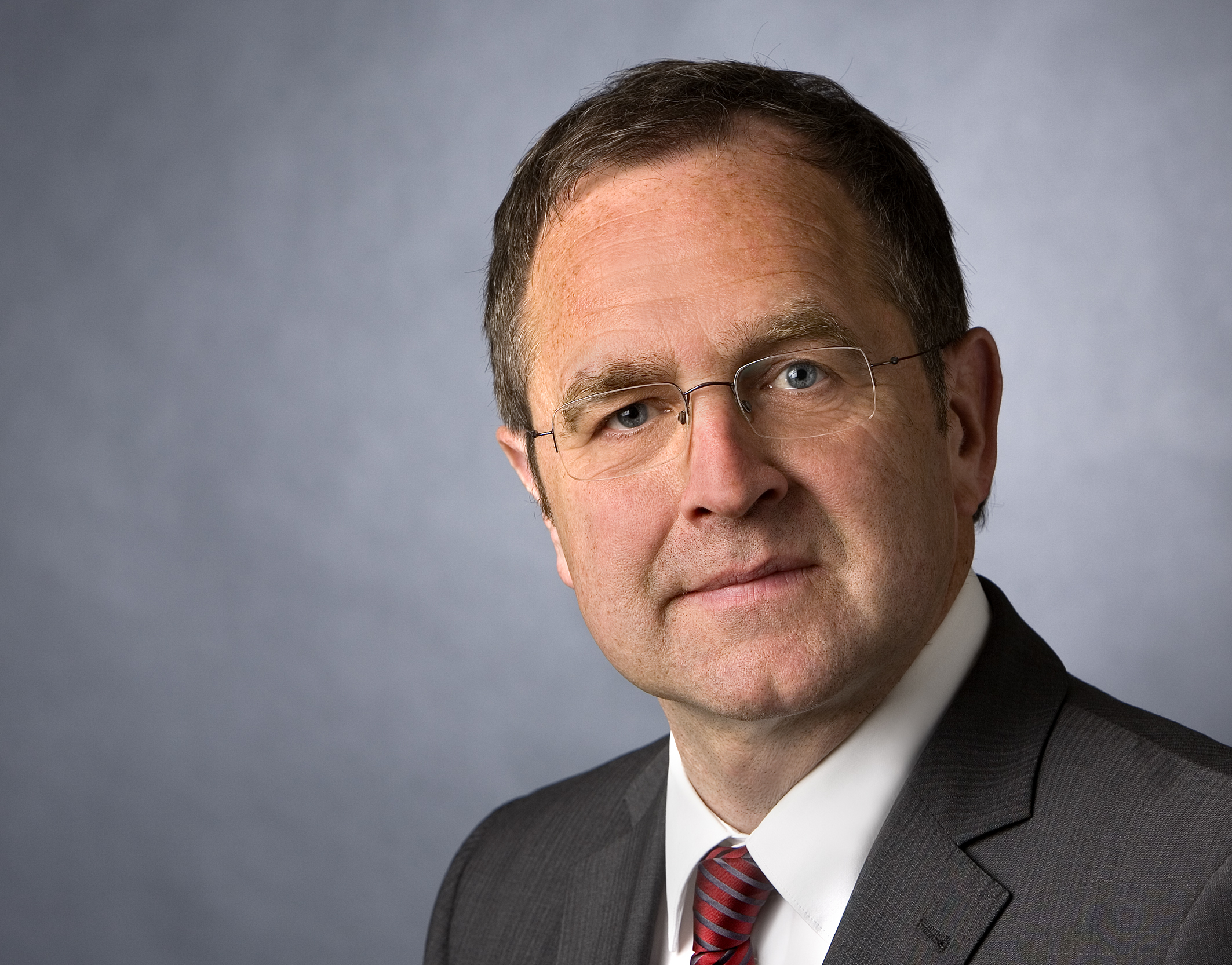
Interview mit Reinhard Loske Prof. Dr. Reinhard Loske ist Professor für Nachhaltigkeit und Transformationsdynamik an der Universität Witten/Herdecke. Er war von 1998 bis 2007 Mitglied des Bundestages für die Partei Bündnis 90/Die Grünen und von 2007 bis 2011 Senator für Umwelt, Bau, Verkehr und Europa der Stadt Bremen. Sein Artikel "Ist ohne Wachstum wirklich alles nichts?" in der Frankfurte...