
Blog • 18.09.2019
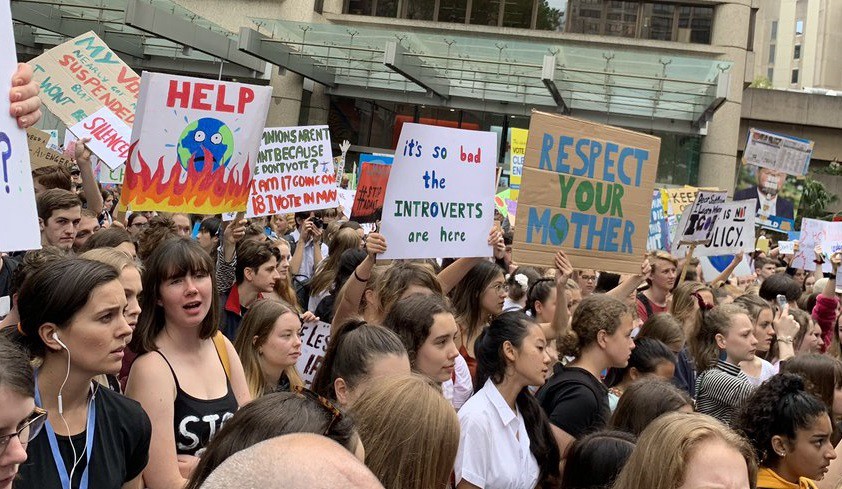
Dear Life, I was not aware, when I was born, that I was born onto a battlefield. I was not aware, as I learned to walk, that I was stomping over the habitats of many creatures. I was not aware, as my mother drove me to school, that we were riding roughshod over the unmarked graves of our fellow humans. I was not aware, as we flew around the world, that I was attacking my child’s chances. I was...
Blog • 11.09.2019
Localisation can lead to a sustainable and more fulfilling future for people and our planet. The crude ‘bigger is better’ narrative has dominated economic thinking for centuries, but it is finally being challenged by a much gentler, more inclusive perspective that places human and ecological well-being front and centre. People are coming to recognise that connection, both to oth...
Blog • 04.09.2019
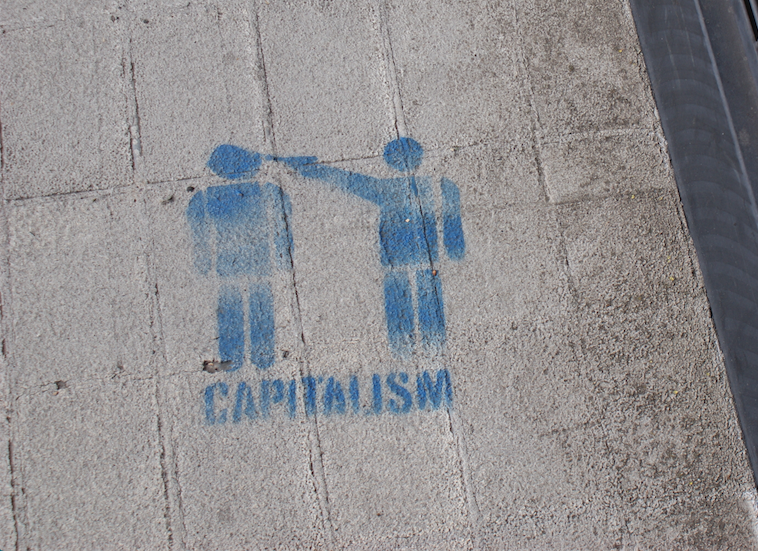
Degrowth poses a fundamental challenge to a Labour Party that has yet to decide how far it wishes to transcend – and not merely reform – a growth- oriented, capitalist political economy. The British Labour Party has seen a resurgence of radicalism since the 2007-8 financial crash. With the collapse of the authority of neoliberalism, a space has opened for alternative ideologies, theories and...
Blog • 28.08.2019

The arrival of smartphones, self-driving cars and the Cloud are all symptomatic of a profound shift that is re-writing modern society from within: the Fourth Industrial Revolution. New technologies claim to provide answers to a host of problems, but is technology unbound always a force for good? In the first of a three-part series on the Fourth Industrial Revolution, EcoPolítica’s Paz Serra...
Blog • 21.08.2019
In Rojava (Northern Syria), in the midst of a raging war, a society based on the values of women's liberation, radical democracy, and ecology is being built. In early 2018, we, people from across the world, launched the campaign 'Make Rojava Green Again' in co-operation with the newly-established local autonomies to help find solutions to the vast destruction of nature that has resulted from de...
Blog • 14.08.2019
When the BBC asked me if I would participate in a debate panel on climate change, capitalism and democracy, I first panicked and then said yes. All I really wanted to do this week was finish up and (re)submit some research I started a long time ago. This research shows that, despite their massive growth, energy and carbon emissions cannot (statistically) explain improvements in international li...
Blog • 07.08.2019
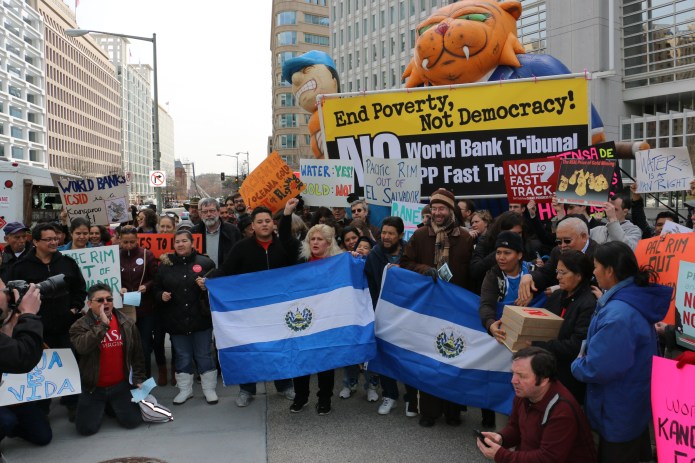
International corporations are decimating nature, destroying lives and manipulating opinion. Here's how to stop them.. A US engineering giant sneaks into a Bolivian city under an assumed name and takes over its public water system. A Canadian mining company seeks control of El Salvador’s gold even at the cost of poisoning its drinking water. An Italian energy conglomerate floods ...
Blog • 31.07.2019

The Well Planet Manifesto is an invitation to undertake an agenda of research that is closer to the state of emergency in which we find ourselves. It encourages researchers, activists, policy-makers and member of civil society to act according to this emergency. Those are invited to connect to one another by signing up the manifesto, in order to establish a research network. See the manife...
Blog • 24.07.2019
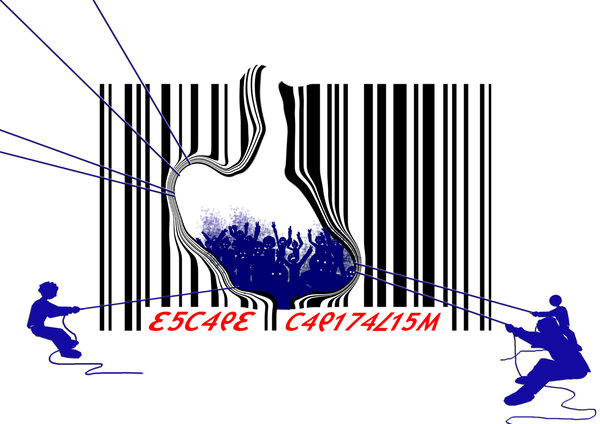
Green growth advocates praise resource efficiency for its potential to incentivize the economy and lower its ecological impact. On the other hand, the Jevons Paradox, describes multiple situations (or rebound effects) in which increased efficiency leads to further consumption (either direct or indirect) which offsets the initial ecological benefits achieved. In this piece, I join this discussio...
Blog • 10.07.2019
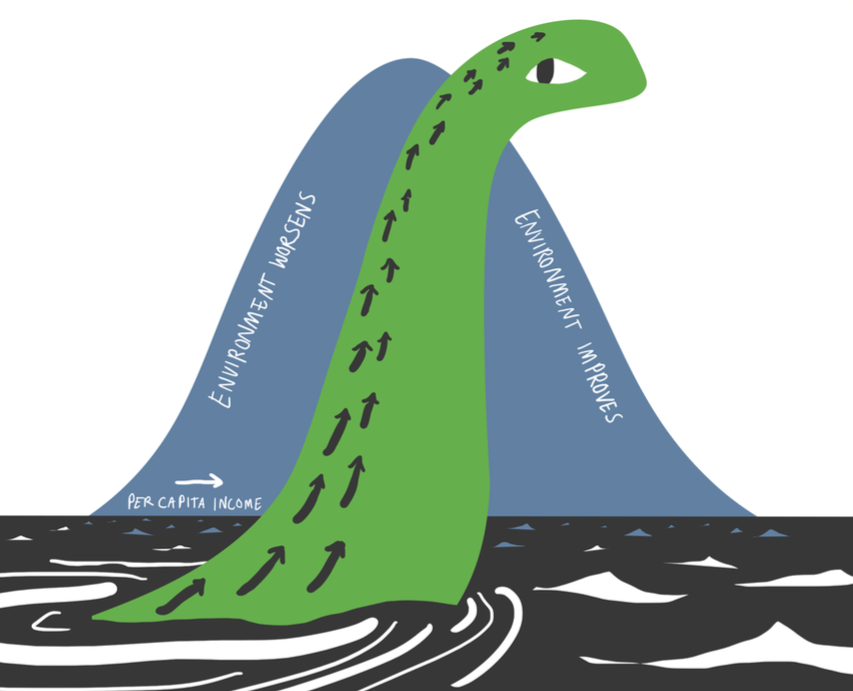
If making the degrowth case was like baking a cake, disproving the plausibility of green growth would be the equivalent of turning the oven on. Decoupling is only “a myth” or “a fantasy,” some would say, a notorious fallacy that requires as much attention as the confabulations of Flat Earthers. And yet, faith in decoupling is strengthening in environmental agendas all around the world, includin...
Blog • 03.07.2019
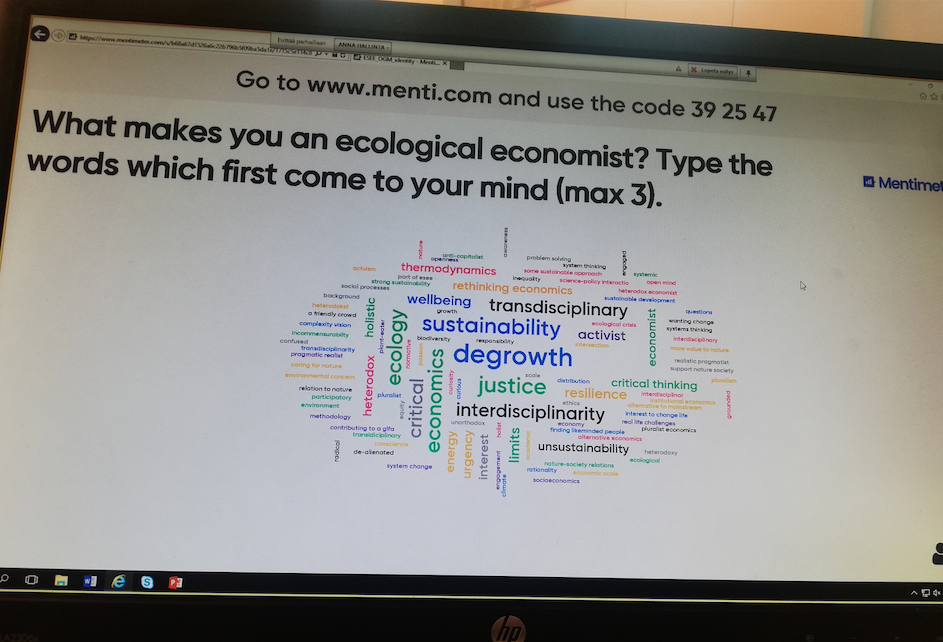
The time has come for ESEE to take a firmer stand and address the impossibility of tackling the monumental ecological crisis we are facing with partial solutions. In order to remain relevant ESEE needs to empower its members to speak the truth, confront power and focus their energies on finding meaningful, holistic and truly transformative solutions. The 13th International Conference of the ...
Blog • 25.06.2019
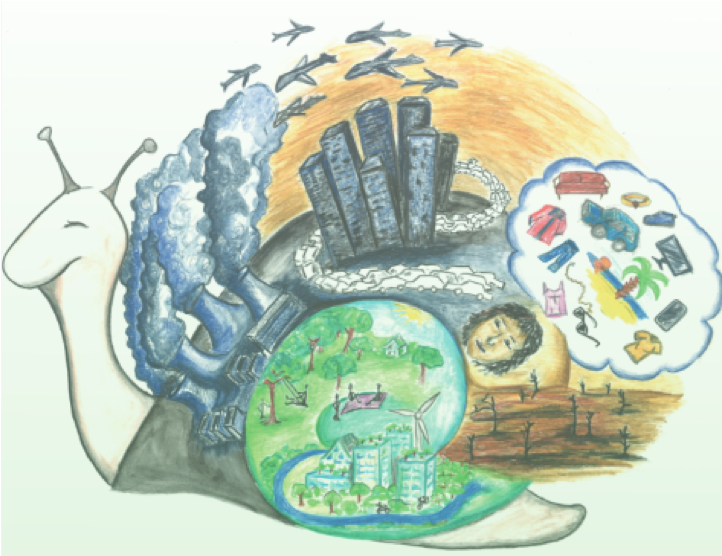
Saturday 1st June 2019 marked a significant occasion for the degrowth movement: the inaugural ‘Global Degrowth Day’. Groups of people gathered together in places all around the world to engage with ideas of degrowth and alternatives to our growth-based society, guided by the event’s theme of ‘a good life for all’. The Global Degrowth Day was coordinated by the Activists and Practitioners int...